Yield: Serves 4-6.
This recipe calls for risotto rice, Italian rice varieties that are high in a particular type of starch, with grains that are shorter and fatter than most other rices: Arborio, Carnaroli and Vialone Nano are the most famous varieties. The high starch content of these rices yields a creamy texture when cooked.
Ingredients
2 Tbsp butter
2 cups flavorful mushrooms such as shiitake, chanterelle, or oyster mushrooms, cleaned, trimmed, and cut into half inch to inch pieces
2/3 cup brandy, vermouth, or dry white wine
5-6 cups vegetable stock
1/3 cup of peeled and minced shallots (OR 1/3 cup of yellow or white onion, finely chopped)
1 3/4 cups arborio rice or other risotto rice
1/3 cup freshly grated Parmesan cheese
Salt and freshly ground black pepper
2 Tbsp chopped fresh parsley or chives
*If cooking gluten-free, use homemade stock or gluten-free packaged stock. Method
1. Bring stock to a simmer in a saucepan.
2. Melt the butter in a deep, heavy, medium sized saucepan over medium-high heat. Add mushrooms and shallots and sauté about 5 minutes (if using chanterelles, dry sauté first for a minute or two and let the mushrooms cook in their own juices before adding the butter). Add the rice and stir to combine.
3. Add brandy, bring to a boil, and reduce liquid by half, about 3-4 minutes. Add simmering stock, 1/2 cup at a time, stirring enough to keep the rice from sticking to the edges of the pan. Stir the rice almost constantly — stirring sloughs off the starch from the rice, making the creamy sauce you’re looking for in a risotto. Wait until the stock is almost completely absorbed before adding the next 1/2 cup. This process will take about 25 minutes. The rice should be just cooked and slightly chewy.
4. Stir in the Parmesan cheese and season to taste with salt and pepper. Garnish with chopped fresh parsley or chives.
A mushroom (or toadstool) is the fleshy, spore-bearing fruiting body of a fungus, typically produced above ground on soil or on its food source. Edible mushrooms are the fleshy and edible fruit bodies of several species of macrofungi (fungi which bear fruiting structures that are large enough to be seen with the naked eye). They can appear either below ground (hypogeous) or above ground (epigeous) where they may be picked by hand. Edibility may be defined by criteria that include absence of poisonous effects on humans and desirable taste and aroma.
Edible mushrooms are consumed by humans as comestibles for their nutritional value and they are occasionally consumed for their supposed medicinal value.
The most commonly consumed mushroom in the United States is Agaricus bisporus or the white button mushroom. A. bisporus has two other forms - Crimini or brown mushrooms with a more earthy flavor and firmer texture, and Portabella mushrooms with a large umbrella-shaped cap and meaty flavor.
Andrew Weil, MD, is a longtime mushroom hunter and he seeks them out because of their taste and health benefits. Not all mushrooms are created equal. Weil advises seeking out the more exotic varieties that are becoming increasingly available on supermarket shelves. Here are four that Weil says are particularly good for you:
Shiitake: Animal studies have shown that these flavorful and readily available mushrooms have anti-tumor, cholesterol-lowering, and antiviral properties. Weil recommends fresh and dried shiitakes.
Shiitake mushroom
Enoki: These slender, mild-flavored mushrooms appear to have significant anti-cancer and immune-enhancing effects.
Enoki mushroom
Maitake: Also known as ‘hen of the woods,’ these mushrooms may have anti-cancer, antiviral, and immune-enhancing properties. They may also reduce blood pressure and blood sugar, says Weil, who likes to grill maitakes with teriyaki sauce.
Maitake Mushroom
Oyster: Less expensive — and less flavorful — than shiitakes, these mushrooms may also provide some protection against cancer.
Oyster Mushroom
Common Mushrooms
Weil is less enthusiastic about white, or button, mushrooms, a species of mushroom that also includes Portobellos and criminis.
“Button mushrooms do possess some health benefits, but not the general health benefits found in Asian mushrooms,” Weil says.
Button Mushrooms
Weil also says that these commonly available mushrooms contain natural substances called agaritines, which studies show may increase the risk of tumors in animals. Although there’s no conclusive evidence that agaritines found in mushrooms are harmful to people, Weil likes to play it safe. He advises people to avoid eating large quantities of them.
Cremini Mushrooms
All told, it is OK to eat button mushrooms in moderation,” Weil says, “but they should always be thoroughly cooked — broiled or grilled is best.” Cooking may break down some of the naturally occurring toxins, he says. In fact, Weil advises against eating any mushrooms - wild or cultivated - raw.
Portobello Mushrooms
Nutritive Value and health benefits:
1 cup sliced or cut mushrooms contain 15 calories, 0.24gm fat, 2.3gm carbs and 2.16 gm protein.
Mushrooms are a good source of protein as well as antioxidants such as selenium, which helps to prevent cell damage, and copper, a mineral that aids in the production of red blood cells. In fact, mushrooms are the only produce that contains significant amounts of selenium. Portobello mushrooms have more potassium and fewer calories than bananas. Criminis are particularly high in vitamin B12, which is good news for vegetarians because that’s a vitamin more often found in animal products. In general, mushrooms are a decent source of B vitamins. They are also cholesterol free and very low in fat.
White mushrooms are also an increasingly good source of vitamin D because growers are exposing their crops to small amounts of ultraviolet light, which increases their D content dramatically.
Purchasing/foraging:
When shopping for fresh mushrooms, look for ones that are unspotted and free of slime. The nutritional content of mushrooms can vary greatly depending on where they are grown. Supermarkets source their produce from a variety of sellers, so the mushrooms available this week may be from a different area as those offered last week. Try to shop at farmers markets when possible and buy from the same farmers each time. That way, you’ll know they come from the same soil each time.
Some people may prefer to find their own mushrooms out in the wilderness. Foraging is not without risks — there are, of course, poisonous, even deadly mushrooms. The North American Mycological Association, which has been tracking mushroom poisonings for more than 30 years, receives an average of one report of a human death due to mushrooms each year. Foraging intelligently will keep trouble at bay. Stick to only eating mushrooms that can be identified with 100% certainty — and none should be eaten raw.
Cooking Mushrooms:
It is important that you cook mushrooms thoroughly, and not simply in order to break down small amounts of natural toxins. The cell walls of mushrooms are tough, making it difficult for the digestive system to get to all the nutrients inside them. Mushrooms often contain chemical compounds that can interfere with digestion and nutrient absorption. Sufficient cooking breaks down the tough cell walls, inactivates the anti-digestive elements, and destroys many toxins. It also makes mushrooms taste much better.
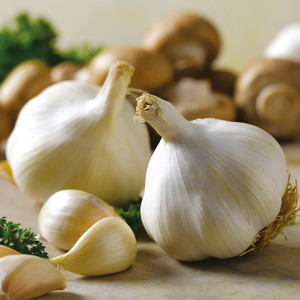
Allium sativum, commonly known as garlic, is a species in the onion genus, Allium. Garlic is a strong-smelling pungent-tasting bulb, used as a flavoring in cooking and in herbal medicine. It is close relatives with the onion, shallot, leek and chive. With a history of human use of over 7,000 years, garlic is native to central Asia, and has long been a staple in the Mediterranean region, as well as a frequent seasoning in Asia, Africa, and Europe.
Garlic is grown globally, but China is by far the largest producer of garlic, with approximately 10.5 million tonnes (23 billion pounds) grown annually, accounting for over 77% of world output. India (4.1%) and South Korea (2%) follow, with Egypt and Russia (1.6%) tied in fourth place and the United States (where garlic is grown in every state except for Alaska) in sixth place (1.4%). This leaves 16% of global garlic production in countries that each produce less than 2% of global output. Much of the garlic production in the United States is centered in Gilroy, California, which calls itself the “garlic capital of the world”.
Types
There are three types of varieties of garlic: Softneck, Stiffneck, and Great-headed (Elephant). Most types are about 90 days to harvest.
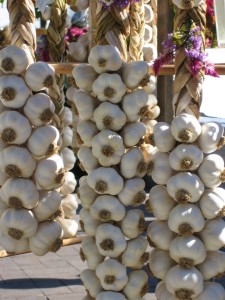
Softneck varieties, like their name suggests, have necks that stay soft after harvest, and therefore are the types that you see braided. Especially recommended for those in warmer climates, as it is less winter-hardy than other types. Strong, intense flavor.
Stiffneck varieties grow one ring of cloves around a stem, there is not a layer of cloves as there are in softneck varieties. They are extremely cold hardy, but do not store as well or long as other varieties. Flavor is more mild than softnecks.
Great-headed varieties are not recommended. They are less hardy, and more closely related to leeks than other varieties. Their flavor is more like onion than traditional garlic. Bulbs and cloves are large, with about 4 cloves to a bulb.
Supermarkets typically offer just one choice of garlic. But gardeners who enjoy complex flavors and ethnic cuisines can grow and enjoy the many colorful, tasty varieties that have come from Asia, Europe, and Latin America. Garlic takes up little room and cross-pollination is not an issue, so there’s no reason not to grow as many varieties as you can lay your hands on.
Season
Planting garlic cloves during the fall in well-drained beds after the first frost has passed and the soil is cool is recommended. Cloves can also be planted in late winter as soon as the soil thaws, but fall-planted garlic produces bigger, better bulbs.
Storage
Domestically, garlic is stored warm [above 18 °C (64 °F)] and dry to keep it dormant (lest it sprout). It is traditionally hung; softneck varieties are often braided in strands called plaits or grapes. Peeled cloves may be stored in wine or vinegar in the refrigerator. Commercially, garlic is stored at 0 °C (32 °F), in a dry, low-humidity environment. Garlic will keep longer if the tops remain attached.
Garlic bulbs should be clean and white with a dried neck and outer skin and quite firm under pressure. They should be discarded if they are soft or spongy or show signs of mould.
Nutritive value
3 cloves of garlic (about 9 gm) contain 13 kcal, 3 gm carbohydrate, 1 gm protein and 0gm fat.
Raw garlic is an excellent source (> 20% of the Daily Value, DV per 100 g)) of vitamin C, vitamin B6 and dietary minerals phosphorus, selenium and manganese while it is a good source (10-19% DV) of protein, vitamin B5, thiamine, calcium, iron and zinc. Garlic also contains a unique sulfur compound, allicin which promotes antioxidant activity and functions as a powerful antibacterial and antiviral.
CulinaryUses
Garlic is widely used around the world for its pungent flavor as a seasoning or condiment. The garlic plant’s bulb is the most commonly used part of the plant. With the exception of the single clove types, garlic bulbs are normally divided into numerous fleshy sections called cloves. Garlic cloves are used for consumption (raw or cooked) or for medicinal purposes. They have a characteristic pungent, spicy flavor that mellows and sweetens considerably with cooking.
Other parts of the garlic plant are also edible. The leaves and flowers on the head are sometimes eaten. They are milder in flavor than the bulbs, and are most often consumed while immature and still tender. Immature garlic is sometimes pulled, rather like a scallion, and sold as “green garlic”. When green garlic is allowed to grow past the “scallion” stage, but not permitted to fully mature, it may produce a garlic “round”, a bulb like a boiling onion, but not separated into cloves like a mature bulb. Additionally, the immature flower stalks of the hardneck and elephant types are sometimes marketed for uses similar to asparagus in stir fries.
Inedible or rarely eaten parts of the garlic plant include the “skin” and root cluster. The papery, protective layers of “skin” over various parts of the plant are generally discarded during preparation for most culinary uses. The root cluster attached to the basal plate of the bulb is the only part not typically considered palatable in any form.
Cooking with garlic
To get the most health benefits from garlic, let it sit for 5-10 minutes after cutting and before cooking or eating. The alliin and the enzyme alliinase are separated in the garlic cell struture when whole. Cutting or pressing the garlic ruptures the cells and releases the alliin and alliinase allowing them to mingle and form a powerful new compound called allicin which is a phytonutrient adding to garlic’s health promoting benefits. The finer the chopping, mincing, pressing, or dicing, the more allicin may be produced. Allicin also gives garlic it’s pungent smell and “bite”. The stronger the smell, the better for your health.
When cooking garlic, some of the enzymes will be denatured at 158 degrees Fahrenheit. Expose them to as little heat as possible and for as short of time period as possible (less than 15 minutes). This will keep the phytonutrients active. Research has shown that when crushed garlic was heated, it’s ability to inhibit cancer development in animals was blocked; but, when chopped garlic was allowed to sit for 10 minutes before heating the anticancer activity was preserved.
Health Benefits of garlic
- Garlic has many healing properties, but the most research has been done on its potential to help reduce heart disease. Garlic has been intensively studied, and numerous large studies have shown that taking supplements that mimic fresh garlic can significantly lower LDL cholesterol levels without hurting beneficial HDL cholesterol levels. Garlic appears to act by blocking the liver from making too much LDL cholesterol.
- Garlic supplements can mildly lower blood pressure by dilating or expanding blood vessels. And garlic helps prevent blood clots — and therefore reduces the risk of heart attack and stroke — by decreasing the stickiness of platelets, which are tiny disk-shaped bodies in the blood that are necessary for blood clotting.
- Garlic has anti-inflammatory properties shown to reduce pain and other symptoms in people with rheumatoid arthritis.
- One of the oldest uses of garlic, however, is as an antibiotic. Garlic kills a range of microbes, including viruses, bacteria, fungi, and parasites, and can be effective against such conditions as athlete’s foot, thrush (a fungal infection of the mouth), viral diarrhea, and the ulcer-causing bacteria Helicobacter pylori.
All in all, garlic is packed with healthy nutrients and can be used in many recipes to render a distinct flavor. Stay tuned for recipes using this “stinking rose”!!
The Academy of Nutrition and Dietetics has announced a new initiative. They are promoting August as Kids Eat Right Month.
The focus of the campaign is to provide nutrition education, to expand information sharing around children’s health, and to prompt action steps toward better health for the nation’s children. In addition, the Kids Eat Right initiative supports the efforts by the White House to end the childhood obesity epidemic within a generation.
The key components of the initiative include providing information about shopping smart, cooking healthy, improving the family meal environment, guidance about better options for meals, and ways to increase physical activity.
Since improving the health of our children is a multifaceted issue, everyone has a role to play — families, schools, the media, communities, etc.
The target for better eating and increased activity is not just children and teens, however. It actually needs to include the entire family.
The Kids Eat Right Web site (www.kidseatright.org) contains a huge amount of great information about a broad spectrum of topics related to improving eating and physical activity. There are specific sections for parents, schools, the media and the community.
Parents are encouraged to set a good example regarding eating and physical activity, to create a healthy eating environment, and to promote getting active as a family. Parents also can initiate family discussions about why healthy eating and regular physical activity are important.
The Web site contains a lot of material to support these efforts.
Under the section for parents, there are numerous articles on topics that parents will find incredibly helpful. Examples include tips for healthier eating out, dealing with special occasions, vegetarian eating, healthy eating on a budget, reading food labels, special health concerns of children and teens, addressing picky eaters, feeding young athletes, topics around weight issues, and many others.
The Web site also contains detailed information about food ingredients, an abundance of delicious healthy recipes targeted at children, and many useful shopping tips. There is specific information about what kids and teens should be eating for good nutrition and recommendations for physical activity.
Some simple guidelines suggested for families to consider are filling half of lunch and dinner plates with vegetables/fruit, choosing lower-sodium foods, making half of the grains consumed whole grains, choosing water over sugary drinks, and using lower-fat milk rather than whole for children over two years of age.
The Kids Eat Right initiative encourages families to eat together more often. The goal is to enjoy a meal while sharing the day’s experiences with each other. It also suggests that children and teens become more involved in the planning and preparation of meals. Research tells us that these action steps tend to boost the nutritional quality of children’s diets.
Physical activity is being promoted as it supports learning, helps to develop social skills, allows for more time together as a family, can build self-esteem, reduces stress, strengthens muscles and bones, and promotes a healthy body weight. The recommendation is for children and teens to get at least an hour of moderate to vigorous active play each day. Families may want to try activities such as biking, swimming, tennis, softball, basketball, dancing, walking, or other forms of pleasurable physical movement.
Under the Web site section for schools, there are useful ideas for teaching the importance of a healthy active lifestyle, ways to incorporate nutrition information into the curriculum, and suggestions for a number of fun activities. There are free materials available for schools, summer sites, and childcare centers such as posters, handouts, games, songs, a garden-themed nutrition education kit, and age-appropriate activity ideas. There is also information about setting up a school health advisory council and ideas for events related to nutrition and physical activity.
The site notes a number of additional resources and Web sites that can assist parents, schools and communities. An example is a link to the USDA Food and Nutrition Service’s “Team Nutrition” initiative. This program supports child nutrition programs through training and technical assistance for food service workers, nutrition education for children and caregivers, and school/community support for healthy eating and physical activity.
Another resource noted is the Alliance for a Healthier Generation Healthy Schools Program. This program does assessments of a school’s current health and physical activity programs and develops an action plan for improvement.
In addition to all the information on the Kids Eat Right Web site, you can follow Kids Eat Right on Facebook, Twitter, YouTube, Pinterest and Google.
So take advantage of all the materials made available by the Kids Eat Right initiative starting this month and moving forward. As families, professionals, communities and the media, we can help to improve the health of our nation’s children and teens, as well as our own.
How To Buy The Healthiest Coconut Water And Avoid The
Worst!
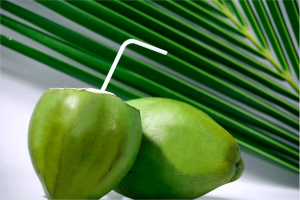
I love coconut water! When I’m traveling in the tropics, there is nothing better than drinking water straight from a coconut. Mother nature designed the perfect vessel for a drink that is so refreshing, slightly sweet, and keeps you hydrated in hot climates. You’ve probably heard that coconut water makes an excellent hydrating drink that replenishes electrolytes and can replace Gatorade and Powerade - but there really is more to it than that. How do you buy the healthiest coconut water and avoid the worst?
Coconut water is one of the healthiest drinks on the planet
Coconut water contains a unique combination of B vitamins, vitamin C, micronutrients, and phytohormones that are exceptionally beneficial to your health. A scientific review of coconut water, published in the journal Molecules, highlights some of the ways that coconut water replenishes your body:
Helps to prevent heart attacks
Lowers high blood pressure
Can have anti-aging effects
Fights free radicals to help prevent cancer
Contains trans-zeatin which can be used to treat Alzheimer’s disease or dementia
That being said, I don’t want you to think it’s okay to pick up just any coconut water off of the shelf. Packaged coconut water is really flooding into the market recently. You can find it in bottles, cartons or powdered, frozen, flavored, carbonated, and sweetened. With all these choices it can be confusing and difficult to know if you are choosing the best one.
It usually costs at least $3 bucks a bottle, so it’s not exactly affordable- and if I’m going to spend my hard earned money on some, I make sure it’s worth it! Primarily, I look for coconut water that is the least processed and still has the majority of its nutrients intact. This is always going to be directly from a fresh coconut – but, of course that’s not always available. If you haven’t already heard, Pepsico and Coca-Cola have their own versions of coconut water – (O.N.E., Zico, Naked) – and you can only imagine what the corporations have done to it.
How To Ruin Coconut Water
Using a concentrate instead of fresh juice: Some coconut water companies get away with saying their drinks contain “100% Coconut Water” that’s “All Natural” even though it’s made from a reconstituted concentrate. Just like other juices in the store, they heat fresh coconut water and reduce it to a syrup. It’s cheaper for them to import this coconut water syrup, which they later add water prior to packaging. Any juice that has been heated to this extent loses a significant amount of its nutrients and its beneficial enzymes are denatured (i.e. the enzymes don’t work anymore).
Taking water from mature coconuts: This is a biggie. Young coconuts on the tree are usually green with an abundance of water in the center that is full of nutrients. Anyone that drinks coconut water straight from a coconut is drinking out of one of these young coconuts. As they begin to age, the nutrients in the water begin to seep into the meat of the coconut, and the water becomes less nutritious. It’s essentially watered-down. This also happens when young coconuts are picked and allowed to lie on the ground in the sun, for an extended period of time. While older “mature” coconuts might be used to make coconut oil, coconut milk and other coconut products, the coconut water from older coconuts is often discarded because it’s lacking nutrients and doesn’t taste the same. As the popularity in coconut water spiked recently, companies realized that they could buy up the water from mature coconuts and could get it cheaper than young coconut water. This is why it’s important to drink young coconut water and not get scammed into drinking the watered-down and less nutritious version.
Adding “natural flavors” or sweeteners: Young coconut water is refreshing and sweet, so there is absolutely no need to flavor or sweeten it – unless you are trying to hide something. Guess what happens when they use mature coconuts for their water? It tastes acidic, so they mask this taste with natural flavors or sweeten it up with sugars. I’ve heard that some companies use a centrifuge system to remove the acidic taste, but it’s a safe assumption that if you see a plain coconut water on the shelf with any natural flavors or sweeteners added it is from mature coconuts and not worth your money.
Pasteurizing it with heat:Coconut water is very delicate, naturally perishable, and should be kept cold. Have you ever stopped to wonder why most bottled and boxed coconut waters on the shelves aren’t in the refrigerated section? I recently checked out one of these bottles and noticed it didn’t expire for 2 years! This is because most coconut water at the store is heat pasteurized, which literally means that it’s been cooked to a very high temperature to kill bacteria and extend its shelf life. It has been shown that heat also destroys some of the vitamins, minerals, and phytonutrients and also denatures enzymes – stripping its benefits and much of its flavor. If coconut water is from concentrate, this would be the second time it’s heated. Obviously, your best bet is to seek out and find unpasteurized raw coconut water. This can be hard to find, but there is another way to kill bacteria while keeping the nutrients intact: HPP (high pressure processing). Without using heat, HPP is best way to preserve the goodness in coconut water, while extending its shelf life a little to make it more available commercially.
Dipping whole coconuts in formaldehyde or sodium metabisulphite: It’s been reported that some non-organic coconuts may be preserved for transport to the U.S. by dipping them in chemicals, including formaldehyde a known carcinogen. This leads to the possibility that these chemicals seep into the coconut meat and poisons the water. Some of my favorite organic cafes avoid this by getting frozen coconut water shipped directly to them.
We called up several of the most popular coconut water companies and asked where they source their coconuts (young vs. mature), if they dip them in chemicals, how they pasteurize them, and about additives and preservatives that they may use. We got a variety of responses, and it’s almost surprising to me how much some of these companies have screwed up something as basic as coconut water. I found several brands to avoid, because they are so heavily processed that the final product barely resembles natural coconut water.
Coconut waters to avoid at all costs:
Naked Juice Coconut Water - Although it’s not from concentrate, Naked told me that they use “mature” coconut water that is flash pasteurized with heat. The plain variety doesn’t have any additives, but all of the flavored ones have added natural flavors. This is also a Pepsico brand – a company that spent over $4 Million dollars to fight GMO labels – so they aren’t getting any of my business.
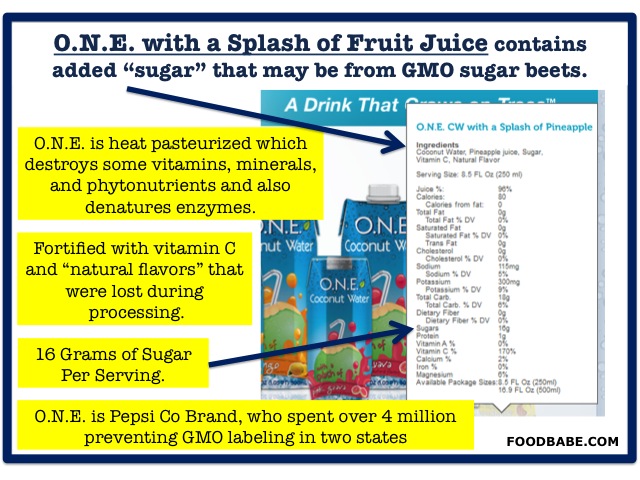
O.N.E. Coconut Water – This is another Pepsico brand that is flash pasteurized with heat. The flavored waters“with a Splash of Fruit Juice” contain natural flavors and “sugar” as an ingredient. As it doesn’t say “cane sugar” on the label, this could very well be from GMO sugar beets.
Pepsico told me that they couldn’t confirm whether their sugar is GMO because:
“the exact source of the sugar in our coconut water cannot be confirmed because we source our ingredients from around the world and that information is not available at this time. Please know that all of our products comply with all applicable food laws and labeling requirements. O.N.E. Coconut Water relies on the regulatory agencies charged with safeguarding our food supply when sourcing ingredients for our products”.
They are relying on the FDA’s regulations to protect us, although the FDA themselves say, that the manufacturer is responsible for ensuring the safety of the ingredients used in their products, including GMOs.
Zico - They sell two entirely different coconut waters depending on which packaging you choose. The waters in the bottles are made from concentrate and are a “blend of Asian coconuts” with natural flavors added. On the other hand, the ones in the tetra-pak cartons are not made from concentrate, have no additives, and contain only Thai coconut water that is packaged in Thailand. A bit confusing, isn’t it? While the tetra-paks (boxed) seem like a good choice, they use “Ultra High Temperature Pasteurization” to give it a long shelf life. This means it’s heated well above boiling point to 280 degrees Fahrenheit, which “kills everything” according to Scientific American, including beneficial nutrients. Plus, in case you didn’t hear the news, they were recently acquired by Coca-Cola – a big supporter of GMOs who have spent over 3.2 million to prevent GMO labeling.
CocoZona – We called and emailed them on several occasions, and they never replied to any of our questions – not even a peep! I always find it alarming when a company refuses to stand behind their product and isn’t transparent about their practices, especially since some companies have been caught lying about what’s really in the bottle. So, at this point, we know little more than what’s printed on the bottle of CocoZona, and the ingredient list reveals that it is made from concentrate. That’s enough reason to stay away from it.
Vita Coco - Don’t be fooled by all of those celebrity endorsements! Their waters are not made from concentrate, but they are all pasteurized with heat. Many of the flavored versions contain added sweeteners and the Cafe versions contain carrageenan. Even the seemingly plain 100% pure version contains added “fruit sugar.” Watch out for their coconut waters targeting kids, which are loaded with added sugar and many different natural flavors – they are not 100% coconut water! According to their website, Vita Coco Kids is also ultra high temperature pasteurized.
GOYA – This brand is heat pasteurized and contains added preservatives. Some versions are sweetened with sugar, which may be GMO. Because I vote with my dollars, I avoid any GOYA brand product as they spent over $56K to fight GMO labeling in California.
C2O - They told me they heat pasteurize their water up to 120 degrees celsius once the product is in the can for as long as 5 minutes. Although, they use no additives or concentrates, the length of this high heat processing puts it squarely on my avoid list.
Purity Organic – It’s made from concentrate and flash pasteurized with heat, so some of the goodness has been destroyed. It’s organic I know, but not all organic products use the best practices!
Coco Libre (Organic) – It’s made from concentrate, flash pasteurized with heat and has added “natural flavors.”
How do other popular coconut waters stack up?
Munkijo (organic) – This water isn’t from concentrate, contains no additives or added sugars and their young coconuts are sustainably grown and harvested. But I’m sorry to report they also use ultra high heat pasteurization to process their waters, so it’s far from the best on the market.
Coco Hydro by Big Tree Farms(organic) – I really like Big Tree Farms’ mission geared towards sustainability. Their unique version of coconut water is powdered and comes in packets that travel easily. So, there is no pasteurization involved, you just add water to reconstitute it. However, the process they use to evaporate the water uses heat, so it is not considered raw and some of the nutrients may be destroyed in the process.
Taste Nirvana(organic) - No concentrates or additives in this brand, and their young coconuts are sustainably grown, harvested and organic (though not labeled as such). I really like how it’s packaged in glass bottles. They are the only company that told me they use a “steam sterilization” process which is a combination of steam and pressure.
Amy & Brian (organic)- Other than the fact that they flash pasteurize the water, all other aspects are good – no additives, no added sugars, no concentrates. They also told me that their young coconuts are not treated with any chemicals or pesticides. I have to admit though, I’m not a fan of the cans they are in, even if they are BPA-free.
Harvest Bay(some varieties are certified organic) - They flash pasteurize their water for about 2 seconds at 120 degrees, and it’s not from concentrate. Some of their waters are now organic, and they are all non-GMO project verified. Although they add no sugars or additives to their plain version, most flavored varieties contain added sugar or natural flavors, so I’d avoid those.
Whole Foods 365 – They confirmed they don’t use a concentrate, however they heat pasteurize their water which comes “from around the world depending on availability”. Their water is also packaged in cans, which I don’t like!
Trader Joe’s – Their water is not from concentrate, but it is pasteurized. I have yet to hear back from them in regards to how they pasteurize their water (whether they use flash or ultra processing). They fortify their water with added vitamin C, which is a red flag that it has been heavily processed.
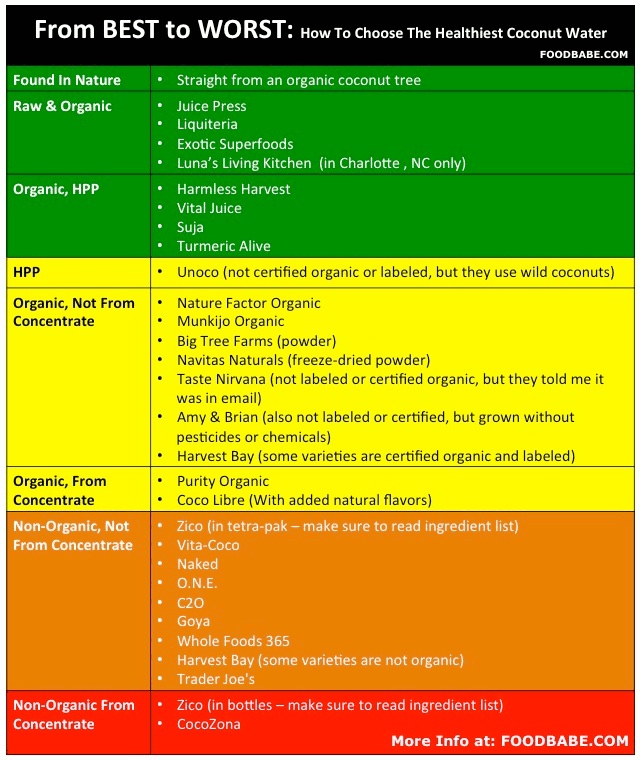
My top picks for packaged coconut water:
***This chart contains examples of the coconut waters we researched, however, there are many more available on the market or may be available in your neck of the woods. Please use this post as a guide to find the best coconut water in your area.***
While the best coconut water is straight from a young coconut picked from a tree, these packaged waters below are as close to the real thing as you can get. They don’t use any heat processing or concentrates, so they aren’t cooking your coconut water. Some of them use HPP to kill bacteria, and a couple of these brands serve it up completely raw and unpasteurized.
Harmless Harvest(organic) - I’ve written about this brand before, and it’s no secret that they are my favorite. I had the pleasure of meeting with the founders of Harmless Harvest and I’m blown away with how open and honest they are about everything. They’ve become a success not because of marketing, but because of their good practices. In fact, they hardly spend any money on marketing at all (and bloggers are not compensated either). They source their young coconuts from small organic agroforestry farms that pay a fair wage to their workers. The coconuts are then frozen and shipped to the U.S. for packaging, after which they use HPP processing to kill bacteria and extend the shelf life to 60 days. Because it’s so minimally processed, some of the waters turn pink when the naturally occurring antioxidants or phenols are exposed to light – and you won’t find this in pasteurized coconut water. You can find this at Whole Foods and most natural food stores in the refrigerator section.
Juice Press (organic)- This water is totally raw. It’s not pasteurized or processed with HPP. Their coconuts are shipped frozen to the store and then they ship it fresh to you with a 3 or 4 day shelf life.
Exotic Superfoods (organic) – Another fave, this water is 100% organic and raw. It is not processed with any heat or HPP – but it’s kept frozen to preserve freshness.
Liquitera (organic)- This bottled raw coconut water is also organic, without any pasteurization. It’s only available at their stores in New York.
Vital Juice (organic) – It’s never heated or frozen, and it’s preserved with HPP, 100% organic and non-GMO project verified. It is currently only available at stores in Washington and Oregon with plans of expansion, and you can also order it online on Amazon.
Unoco (wild coconut) – Made from wild coconuts (not from a plantation) and processed with HPP without any additives. It’s only available in California right now.
Suja (organic) – Suja makes a coconut water blend, Tropicaloe, which is made from freeze-dried coconut water mixed with pineapple, apple, aloe, lime, mint and spinach juices, all preserved with HPP. This juice is exclusively sold at Whole Foods stores.
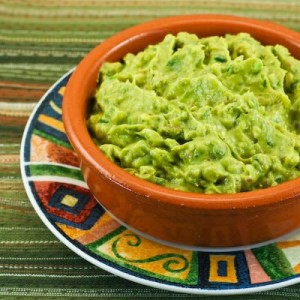
2 Haas avocados, halved, pitted, and diced in shell (see instructions below)
1/2 red onion, thinly sliced
1 jalapeño, finely diced
1/2 bunch fresh cilantro, coarsely chopped
Juice of 1 lime
Kosher salt and freshly ground black pepper
DIRECTIONS
Mash the avocados with a fork and combine with the red onion, jalapeno, cilantro, lime juice, salt and pepper. Serve fresh with tortilla chips, salad or tacos!
Total Preparation Time: 15 minutes
Serves: 4-6
Nutrition Facts
For 1/4 cup serving of Guacamole: 91kcal, 8gm fat, 5gm carbs (4gm of which are dietary fiber), 1.14gm protein
How to Cut and Peel an Avocado
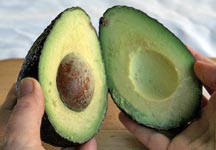
1 Grip the avocado gently on one side with one hand. With a large, sharp knife in the other hand, cut the avocado lengthwise around the seed. Open the two halves to expose the pit.
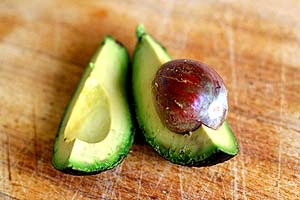
2a At this point there are a few ways you can proceed to remove the pit from the avocado half that has the pit. One way is to make another cut, lengthwise on the avocado half that has the pit, cutting around the pit, exposing it so that it is easier to remove. You can also use a spoon to scoop out the pit.
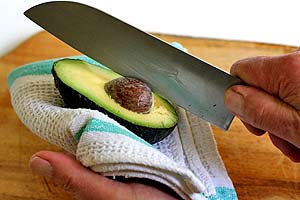
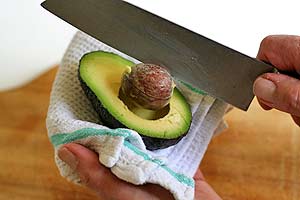
2b Another method is a bit tricky, as you’ll see. This method is very popular, but you must be careful lest you cut your hand. For safety, fold up a kitchen towel and use that to hold the avocado half with the pit. Gently tap the pit with a knife with enough force so that the knife edge wedges into the pit, but not so hard as to cut all the way through it. I generally just tap it very gently a few times, each with increasing pressure, until a cut is made in the pit sufficiently to twist the pit out. Getting the pressure just right takes a little practice.
With the edge of the knife, twist the pit out of the avocado and discard.
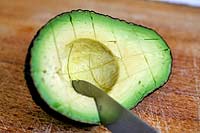
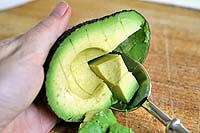
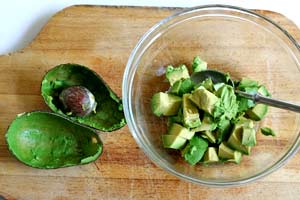
3a At this point, you can either scoop out the avocado flesh with a spoon (for making guacamole), or slice the avocado into segments. To make it more easy to scoop out the avocado flesh, take a small dinner knife and gently make cuts in the avocado flesh in a cross-hatch pattern, careful not to break through the avocado peel. Then use a spoon to easily scoop out the avocado pieces. If you are making guacamole, don’t worry about slightly discolored or brownish sections. Scoop them up with the rest of the avocado to mash.
3b To make avocado slices, use a knife to slice the inside of the avocado halves into sections. Don’t worry if you cut right through the peel.
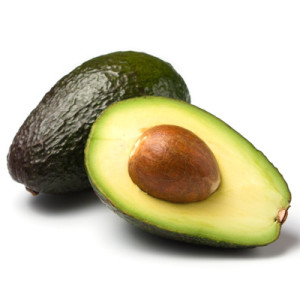
The avocado (Persea americana) is a tree native to Mexico and Central America, classified in the flowering plant family Lauraceae along with cinnamon, camphor and bay laurel. Avocado or alligator pear also refers to the fruit, botanically a large berry that contains a single seed.
Avocados are commercially valuable and are cultivated in tropical and Mediterranean climates throughout the world. They have a green-skinned, fleshy body that may be pear-shaped, egg-shaped, or spherical. Commercially, they ripen after harvesting. Trees are partially self-pollinating and often are propagated through grafting to maintain a predictable quality and quantity of the fruit.
Cultivation:
The avocado was introduced from Mexico to California in the 19th century, and has become a successful cash crop. About 59,000 acres (240 km2) – some 95% of United States avocado production – is located in Southern California, with 60% in San Diego County. Fallbrook, California claims the title of “Avocado Capital of the World”
The avocado is a climactic fruit (the banana is another), which means it matures on the tree, but ripens off the tree. Avocados used in commerce are picked hard and green and kept in coolers at 3.3 to 5.6 °C (37.9 to 42.1 °F) until they reach their final destination. Avocados must be mature to ripen properly. Avocados that fall off the tree ripen on the ground. Generally, the fruit is picked once it reaches maturity; Mexican growers pick Hass-variety avocados when they have more than 23% dry matter, and other producing countries have similar standards. Once picked, avocados ripen in one to two weeks (depending on the cultivar) at room temperature (faster if stored with other fruits such as apples or bananas, because of the influence of ethylene gas).
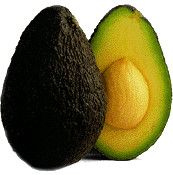
Avocado Varieties
Hass: The Hass variety has become the year-round avocado available in stores. It is distinctive for its skin that turns from green to purplish-black when ripe, the Hass is now the leading variety of California Avocado and has an excellent shelf life. The Hass has been highly marketed and is grown throughout the globe. It is very popular for it’s nutty flavor and good handling characteristics.
Description: Oval-shaped fruit, small to medium seed, easy peeling. Size 5 to 12 ounces, Appears pebbly, thick but pliable skin and has a pale green flesh with creamy texture. Skin darkens as it ripens. The fruit yields to gentle pressure when ripe
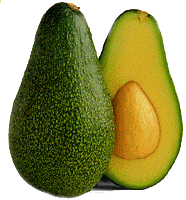
Fuerte: The Fuerte variety is an established avocado favorite. It is a California winter variety that has an excellent flavor. The name Fuerte, which means strong in spanish, was given after this variety was one of the sole varieties to survive freezing temperatures. Harvested late fall through spring, the Fuerte is the original high quality California Avocado. The Fuerte is a smooth skin variety and is on the verge of being classified in the “avocado other” category. There is no so few trees planted that it is no longer marketed to the consumer via retail stores.
Description: Pear shapes, medium seed, peels easily. Medium to large fruit ranging from 5-14 oz. Smooth thin green skin with creamy, pale green flesh.
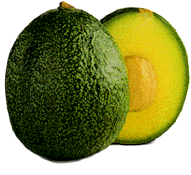
Reed: The Reed avocado is a summertime variety that extends into late fall. It is a large, round fruit that is known for it’s softball shape. During their prime, this variety tastes excellent. It is rarely available and only found in some Southern California retail stores. The Reed is excellent for slicing and eating. One of the more favorite uses are as a complete meal substitute. The size of this fruit and the round shape make it conducive for a make shift bowl. Remove the pit and fill the center with your favorite ingredients and enjoy.
Description: Round fruit, medium seed. Medium to large size ranging from 8-18oz. Has thick green skin with slight pebbling and creamy flesh.
Nutritive Value
One medium sized avocado contains 250kcal, 23gm fat (15gm of which is monounsaturated) 3gm protein, 13gm carbs and 10gm fiber.
Health Benefits
- Maintain a healthy heart : Avocado contains vitamin B6 and folic acid, which help regulate homocysteine levels. High level of homocysteine is associated with an increased risk of heart disease. Avocado also contains vitamin E, glutathione, and monounsaturated fat, which help in maintaining a healthy heart.
- Lower cholesterol levels: Avocados are rich in a compound called beta-sitosterol which has been shown to be effective in lowering blood cholesterol levels. According to a study, patients with mild hypercholesterolemia who included avocados in their diet for 7 days had 17 percent decrease in total blood cholesterol levels, a 22 percent decrease in both LDL (bad cholesterol) and triglyceride levels, and a 11 percent increase in HDL (good cholesterol) levels.
- Control blood pressure: Avocados are also a great source of potassium, which helps in controlling blood pressure levels.
- Anti-Inflammatory properties: Phytonutrient compound found in avocados, such as polyphenols and flavonoids have been found to have anti-inflammatory properties, thereby reducing the risk of inflammatory and degenerative disorders.
- Promote eye health: Avocado is an excellent source of carotenoid lutein, which known to help protect against age-related macular degeneration and cataracts.
- Regulate the blood sugar levels: The monounsaturated (good) fats in avocados can reverse insulin resistance which help to regulate blood sugar levels. Avocados also contain soluble fiber which keep a steady blood sugar levels.
- Prevent birth defects: Avocados are rich in folate, a B vitamin commonly known as folic acid. One cup of avocado provides about 23% of the recommended daily value of folate. The high amount of folate in avocado is essential in the prevention of birth defects, such as neural tube defect and spina bifida.
- Reduce strokes risk: The high levels of folate in avocados may also protect against stroke. A study has shown that individuals who ate a diet rich in folate had a lower risk of stroke than those who did not
- Protect against cancer: Many studies have shown that avocado can inhibit the growth of prostate cancer. The oleic acid in avocado is also effective in preventing breast cancer.
- Fight free radicals: Avocados contain glutathione, a powerful antioxidants that helps fight free radicals in the body.
- Anti-aging properties: Being rich in antioxidants, avocado is beneficial in preventing aging symptoms. The glutathione in avocado may boosts immune systems, slows aging process, and encourages a healthy nervous system.
- Cure bad breath: Avocados are one of the best natural mouth wash and bad breath remedies. It is cleanses intestine which is the real cause of coated tongue and bad breath.
- Increase nutrient absorption: Avocado intake is linked with an increased nutrient absorption. A study suggests that, when participants ate salad included avocados, they absorbed five times the amount of carotenoids (a group of nutrients that includes beta carotene and lycopene) than those who did not include avocados.
- Skin Care: The avocado oil is added in many cosmetics because of its ability to nourish the skin and make your skin glow. It also aids in treating psoriasis, a skin disease that causes skin redness and irritation.
- Weight gain: The avocado has 200 calories for 100 grams. Typically, fruits has approximately 60-80 calories for 100 grams. Due to the high amounts of calories, avocado is a best diet for people who want to gain weight. Avocado is a healthy source of calories, unlike many other calorie-dense foods that may contain excess saturated fats and sugar.
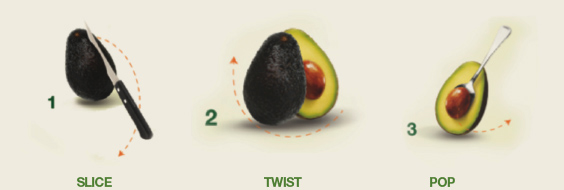
How to peel an avocado
Avocados are delicious any way you slice them. (But here’s my suggestion for doing it the easy way)
Cut: Using a sharp knife,
cut into the avocado straight down,
longitudinally (from top to bottom)
until you hit the pit.
Twist: Take the avocado and twist it until
it separates into two halves, one of which
will contain the pit.
Hit: Carefully strike the pit with your knife. Using a twisting motion, use the knife’s leverage to loosen and dislodge the pit.
Spoon: With a spoon, gently scoop away the avocado’s flesh from the outer skin.
Avocados make a great addition to a salad, entree or even dessert. Stay tuned for avocado recipes..
In your 20s, you’re still building up bone density, so this is the decade to help your bones grow strong and healthy. “You really want to make those bones as dense as you can while you’re young, during those bone-growing years,” says Ruth Frechman, RDN, an Academy of Nutrition and Dietetics Spokesperson. She calls it “filling the bank” because in later years, your body will lose some of that bone, so the more you start with the better off you are.
Enter calcium, which not only builds strong bones but is also important for healthy muscles, nerves, and heart. You need 1,000 mg per day, so enjoy dairy products, opt for calcium-fortified orange juice and cereals, and load up on beans, leafy greens, almonds and canned salmon with bones.
Young women don’t need to pass up dairy products for fear of gaining weight. Instead choose fat-free or low-fat milk and yogurt, reduced-fat cheese and for a sweet treat pick nonfat calcium-fortified hot cocoa, says Frechman.
30s: Baby on Board
These days, women are having babies well into their 30s, which makes folic acid an important nutrient this decade. Folic acid helps prevent neural tube birth defects like spina bifida. Unfortunately, “Many studies have shown that folic acid is one of those nutrients that we tend to run low in,” says Jeannie Moloo, RD.
For women who plan on becoming pregnant, the 2010 Dietary Guidelines recommend consuming 400 micrograms per day of folic acid from fortified foods and/or supplements, in addition to foods high in folate. Many breads, cereals and grain products are fortified with folic acid; fruits and vegetables are good sources of folate. If you’re trying to get pregnant, your doctor may recommend a folic acid supplement.
Moloo also calls the 30s the “prevention decade,” meaning, if you haven’t already, it’s time to start thinking about how to prevent chronic diseases that become more prevalent as we age.
Look to foods containing healthy fats such as omega-3 fats and monounsaturated fats.
Found in nuts, olive and canola oils and avocados, monosaturated fats improve blood cholesterol levels, which can decrease your risk of heart disease, and they may help with keeping blood sugar levels in check (potentially helpful for appetite control and reducing the risk for diabetes). A few studies have looked at monounsaturated fats as being beneficial for specifically reducing belly fat, but firm findings are lacking.
Scientists believe omega-3 fats (found in fish) may influence how fat is used and stored in the body. It’s possible omega-3s push fat more toward energy use than to storage in your body. Omega-3s may help reduce body fat with or without cutting calories. Animal studies have supported the theory; human studies are encouraging, but not as conclusive. Add exercise on top of upping omega-3s and you can lose more body fat.
40s: Keeping Score
If you haven’t been treating your body right, the 40s is where this will start showing up. “You are starting the aging process,” says Frechman. “So you really want to make sure you’re in tiptop shape.”
The 40s are a good time to be vigilant about eating plenty of fruits and vegetables. They’re packed with vitamins, minerals, fiber and antioxidants plus low in fat and calories. Adults need at least 2 cups of fruit and 2 ½ cup of vegetables a day. Explore new tastes by trying a new fruit or vegetable a couple of times a month.
Antioxidant supplements are not a substitute for eating a variety of fruits and veggies, as scientists are just learning how different antioxidants work in synergy with one another to keep the body healthy. “With supplements, you don’t know for sure if you’re getting all of the benefits that you could be getting from the whole foods,” says Frechman.
Try snacking on fruit like apples, bananas, and clementines, opt for veggie-packed broth-based soups, salads piled with greens and smoothies with berries. If you don’t like the taste of vegetables raw, try roasting them, which makes them sweeter.
Another important nutrient for the 40-and-over set is fiber, which can help protect against heart disease and some types of cancer. Women under 50 need 25 grams per day, but most adults get only about half that amount. Luckily, the fruits and veggies you’re eating for the vitamins and minerals are rich in fiber, and whole grains and beans are other good sources.
50s: Calorie Counting
The 50s are a time of big changes thanks to perimenopause and menopause. “Hormone fluctuations can be very dramatic, and with hormone fluctuations can come changes in metabolism,” says Moloo. “It’s a time when women tend to have weight creep on, and it’s that very metabolically active fat around the middle, which has been shown to drive diabetes and other health-related issues.” So Moloo suggests decreasing calorie intake and increasing activity levels if you start to experience weight gain.
Also essential: Vitamin D is used in every cell in the body, says Frechman. It’s essential for bone health and researchers believe it may reduce the risk of some cancers, heart disease and infectious diseases. Vitamin D is difficult to get from food—the best sources are fortified milk, orange juice, and cereals and also fish like salmon and tuna.
The recommended daily amount of vitamin D recently increased to 600 IU per day for women ages 19 to 70, but the majority of adults don’t get enough. Consult your doctor or registered dietitian about your need for a supplement.
60s and Beyond: Protein Power
Protein, along with regular strength building exercise, is essential for maintaining muscle, which we tend to lose as we age. Consuming enough protein may also be linked with bone health.
The average woman needs about 5 to 6 ounces of protein foods each day. Good sources include meat like beef, chicken, fish, pork and lamb. Not a meat eater? You’ll also find protein in, eggs, beans, tofu and nuts, as well as low-fat or fat-free milk, yogurt and cheese.
Vitamin B12, which helps your body make red blood cells and keep the brain and nervous system healthy, is another vital nutrient for women over 60. You can get B12 through any food that comes from an animal: meat, fish, dairy products and eggs. However, as people get older they can develop a reduced ability to absorb vitamin B12, says Frechman. She recommends talking to your doctor to see if you need a supplement.
Each decade brings with it specific health concerns—and different nutrition needs. Eat right for your age and you’ll sail through the decades feeling great.
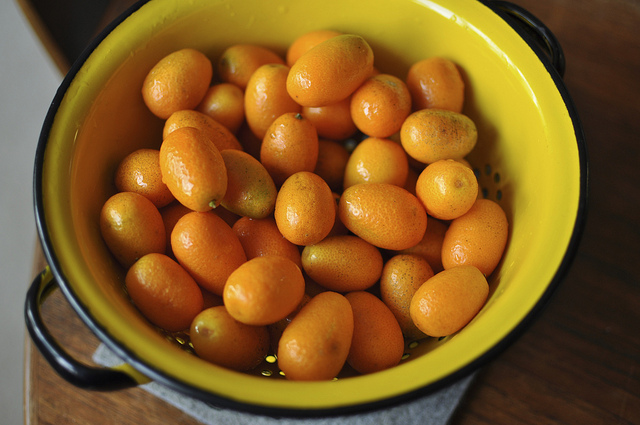
Kumquats aren’t like other citrus fruit. Instead of having a tart rind and a sweet interior, they keep their sugar in the skin and have their pucker on the inside. It took me years to realize that the best way to eat them is to pop them into your mouth whole and take a big bite. That way, you blend the flavors into a single, delicious marriage.
Take one pound of kumquats and wash them. Pick them over well to make sure that you don’t have any that are turning to mush. Cut off the stem end and slice the kumquat into quarters.
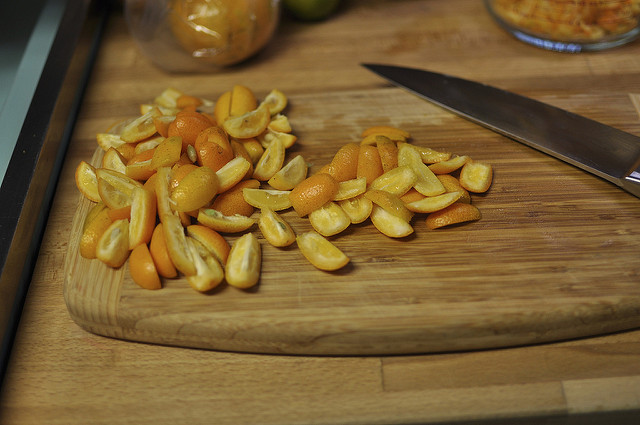
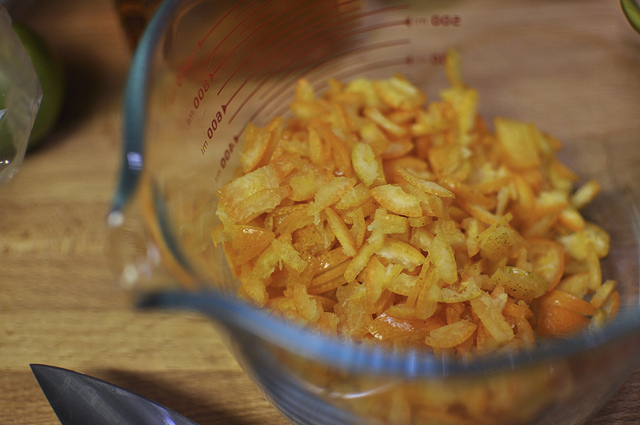
When all the kumquats are quartered, use a sharp paring knife to cut away the inner membrane and any seeds (reserve these! They will provide our pectin). This leaves you with a small piece of rind with some pulp still attached. Then lay these stripped quarters rind side up and chop them into ribbons.
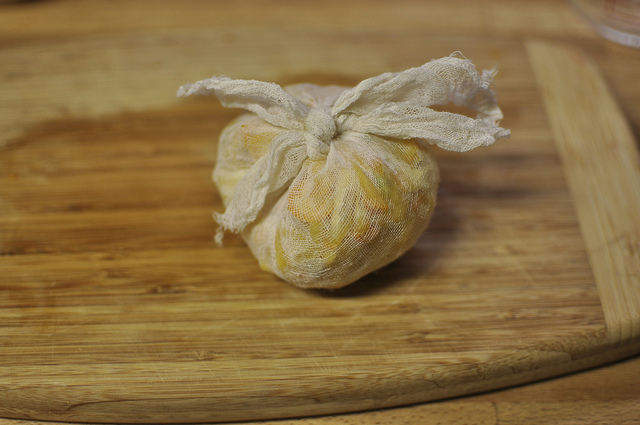
When all the chopping is done, you should have about two cups of chopped kumquat bits, and a scant cup of reserved seeds and membrane. Place the seeds and membrane in the center of a square of cheesecloth and tie it up well so that nothing can escape.
Place the chopped kumquat in a large pot with 2 cups water and 1 1/2 cups sugar (I used plain white sugar, but you could easily use unrefined cane sugar. Just know that your finished product will be a bit darker). Pop the bundle of seeds and membranes in there too.
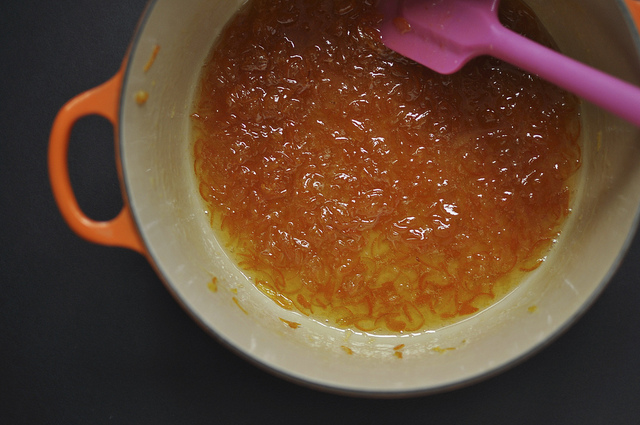
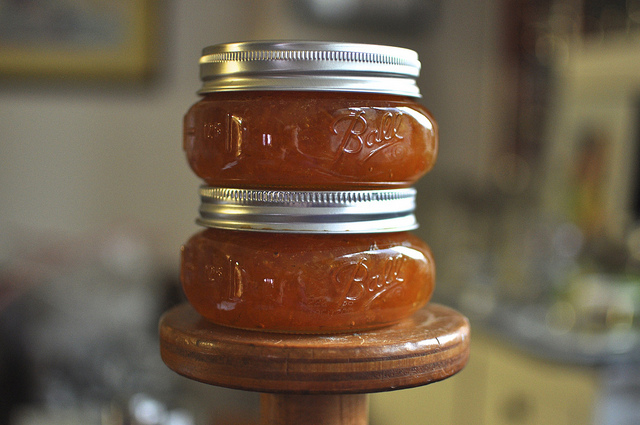
Bring to a boil and cook for 15-25 minutes, until it reaches 220°F. The wider your pot, the faster it will cook (I used a 5 1/2 quart Le Creuset, and my cooking time was right around 20 minutes). Once it has reached temperature and seems quite thick, remove marmalade from heat. Funnel into two prepared half pint jars. Wipe rims, apply lids and rings and process in a jar for 10 minutes.
Serve with toast or freshly baked scones! Each tablespoon of kumquat marmalade contains 35 calories and 9gm carbohydrates.
Kumquats are fruit which closely resemble the orange, but they are much smaller and ovular, being approximately the size and shape of a large olive. Kumquat trees are slow-growing evergreen shrubs or short trees, from 2.5 to 4.5 meters (8 to 15 ft) tall, with dense branches, sometimes bearing small thorns. The leaves are dark glossy green, and the flowers are white, similar to other citrus flowers, borne singly or clustered in the leaf-axils. Depending on size, the kumquat tree can produce hundreds or even thousands of fruits each year.The tree can be hydrophytic, grown in water, with the fruit often found floating on water near shore during the ripe season.
Nagami Kumquat tree
The kumquat plant is native to south Asia and the Asia Pacific region. The earliest historical reference to kumquats appears in literature of China in the 12th century. They have long been cultivated in India, Japan, Taiwan, the Philippines and southeast Asia. They were introduced to Europe in 1846 by Robert Fortune, collector for the London Horticultural Society, and shortly thereafter into North America.
Nagami kumquat
Kumquats are rarely grown from seed as they do not do well on their own roots. In China and Japan they are grafted onto the trifoliate orange (Poncirus trifoliata). This has been found the best rootstock for kumquats in northern Florida and California and for dwarfing for pot culture. Sour orange and grapefruit are suitable rootstocks for southern Florida. Rough lemon is unsatisfactory in moist soils and tends to be too vigorous for the slow-growing kumquats.
Varieties:
Nagami kumquat (Fortunella margarita): The fruit is oval and is the most common varieties grown in USA. The fruit features smooth light yellow rind tart flavor.
Marumi kumquat (Fortunella japonica): The fruit is round and has the distinctive sweet flavor.
Meiwa kumquat (Fortunella crassifolia): It is round in shape and larger than other verities. It is popular in Japan as ninpo or neiha kinkan.
Hong Kong Wild (Fortunella hindsii).
The Nagami or Oval Kumquat (Fortunella.margarita) is the most common variety in the United States. The Nagami Kumquat is oval in shape, 3/4″ to 1″ in diameter and between 1″ to 2″ long. The tartness of the fruit makes them great for use in cooking and/or for marmalades and jellies. The tree is shrub like and is similar to an orange tree in appearance. It is a prolific bearer and very decorative because of the dark green leaves and brilliant orange fruit. The fruit lasts for several months on the tree in warm winter climates. The trees do very well when planted in the yard or in larger pots. They can withstand temperatures as low as 28 degrees and require about the same care as other citrus. They can be grown throughout Florida, but produce larger and juicier fruit when grown in the sandy soils on the hills of eastern Pasco County in central Florida. The kumquat tree is highly resistant and possibly immune to citrus canker.
Selection and storage
Kumquats are best available from November through June. ‘Nagami’ is the most common variety of kumquats grown in the United States. Nagami kumquats are grown in much large scale in Saint Joseph, Florida, which earned its city as kumquat capital of Florida.
While buying select kumquat fruit that is firm, smooth, brilliant orange color and preferably picked with leaves. Avoid unripe, green color fruits and those with surface cuts, bruise, or damaged fruits.
Kumquat fruits possess very good keeping quality. They can be stored in the room temperature for about 3-4 days and inside the refrigerator for up to three weeks. Frozen kumquat puree can be stored for six months or more.
Nutritive Value and Health Benefits
100 g of Kumquats provide only 71 calories. Nonetheless, they are incredibly rich sources of health-benefiting dietary fiber, minerals, vitamins, and pigment anti-oxidants that contribute immensely towards wellness.
Kumquats are eaten along with the peel, a unique feature that differentiates them from other citrus family fruits. The peel is rich in many essential oils, anti-oxidants, and fiber. 100 g whole kumquats provide 6.7 g or 17% of daily-recommended levels of fiber composed of tannins, pectin, hemi-cellulose, and other non-starch polysaccharides (NSP).
Fresh kumquats are packed with numerous health benefiting poly-phenolic flavonoid anti-oxidants such as carotenes, lutein, zea-xanthin, tannins…etc. The kumquat peel is composed many important essential oils in it. Together, these compounds impart special citrus aroma to the fruit.
Like oranges, kumquats also very rich in vitamin C. 100 g fruit provides 47.9 or 73% of RDA (Recommended daily allowances). Vitamin-C is one of the most powerful natural anti-oxidant that helps scavenge harmful oxygen derived free radicals from the body and thereby protect us from cancers, diabetes, degenerative diseases and infections.
How to eat/use kumquats
Kumquats are great, just as they are with their peel! The peel is actually a bit sweeter than the pulp, so eating them whole (seeds are edible too, but you can spit them out) gives them a balanced flavor.
Kumquats taste great in a salad. Fresh kumquats can be used in flavoring bread, cakes, cookies, pies, and cheese cake. Kumquats in sauces, marmalade, jelly, and glaze are exceptionally tasty and are a particular treat as a topping for bread, biscuits, and cakes. They add color and excellent flavor to any dish!
1 large cauliflower head, cut into florets
12-15 garlic cloves, peeled
olive oil
kosher salt
1/2 teaspoon garlic powder
1/4 teaspoon black pepper
1 teaspoon chopped chives
Preheat oven to 400 degrees F.
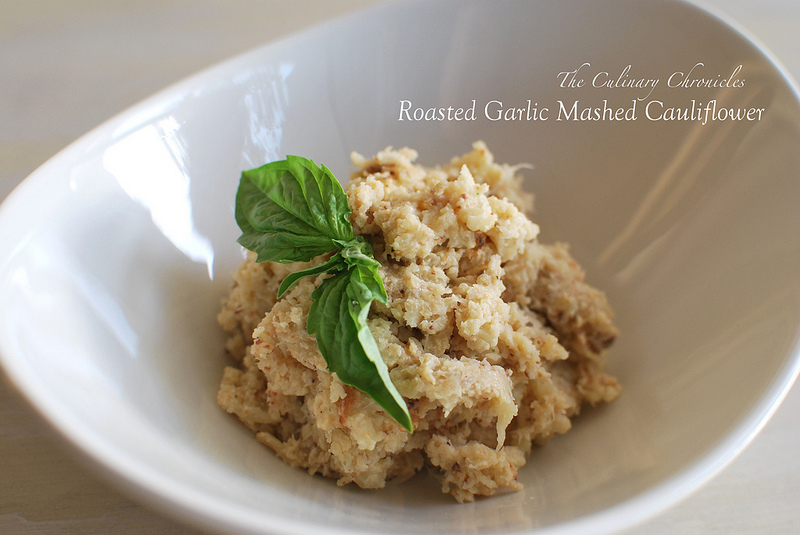
On a baking sheet, toss the cauliflower and garlic cloves with 2-3 tablespoons of olive oil. Season with kosher salt and roast for 20-25 minutes until tender and golden brown. Stir and turn every 5-10 minutes.
Transfer the roasted cauliflower and garlic to a large bowl. Add an additional 1 tablespoon olive oil and garlic powder. Using a potato masher or ricer, mash the cauliflower until it reaches an even consistency.
Nutritional Info:
Per Serving:110 calories (80 from fat), 9g total fat, 1g saturated fat, 0mg cholesterol,330mg sodium, 8g carbohydrate (3g dietary fiber, 3g sugar), 3g protein
Adapted from the “Culinary Chronicles” & “Whole Foods”
Mark Twain once described cauliflower as “cabbage with a college education.” A member of the cabbage family, cauliflower is akin to broccoli, which it closely resembles. Like its fellow cruciferous vegetables like broccoli, kale, and cabbage, cauliflower is a cool weather crop perhaps best known for its oft-touted health properties. For local eaters, however, its cool weather ripening and superior storage abilities make it a fall and winter staple.
If you are searching to get more vegetables into your daily diet, cauliflower is a great way to go. Cauliflower lacks the green chlorophyll found in other vegetables of this class (broccoli, cabbage, and kale), because the florets are shielded from the sun by the plant’s leaves during growth. Cauliflower is not pale in terms of nutrition either. Its nutrients help strengthen the immune system and protect against the development of cancer.
Varieties:
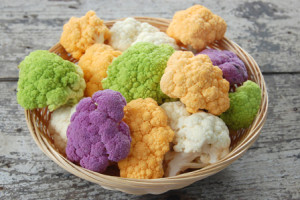
A member of the same family tree as cabbage and broccoli, cauliflower has become quite the popular vegetable. When cauliflower reaches its peak in the winter months, it can be found in quite a few different colors, each with their own unique characteristics.
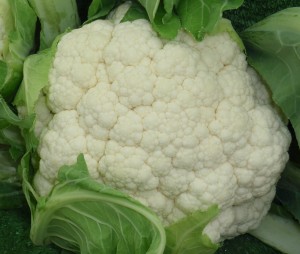
White Without a doubt the most commonly seen and used is the white cauliflower. It resembles broccoli, buds in large florets with a center core and green leaves, and has a naturally crunchy, mild flavor, making this a meaty vegetable you can easily slice, dice, and enjoy fresh or cooked.
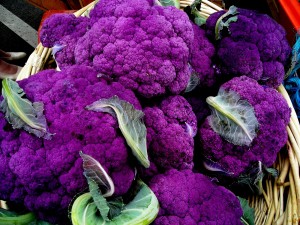
Purple Yes, bright purple cauliflower exists, and it is in fact purple. These batches will typically be a little tinier than the white versions, with larger surrounding leaves. They contain the same chemical compounds as eggplants and red cabbage, which is what gives them their unique hue. While most of the coloring will fade when cooked, use it fresh or lightly blanched, and interchange with white cauliflower for a brighter dish that your friends and family won’t soon forget.
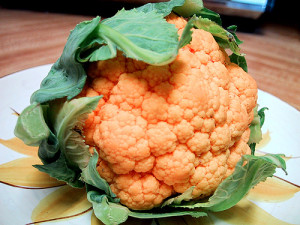
Orange If you find an orange-colored cauliflower, don’t be alarmed — it’s not cauliflower gone bad. Rather, these veggies contain a larger than usual amount of vitamin A in their genetic make-up. Shave them fresh into a salad for a colorful boost, or bake with mashed potatoes for a new take on a creamy gratin.
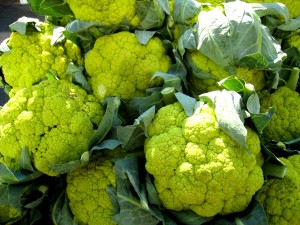
Green With a slightly sweeter flavor than its white counterpart, green cauliflower resembles broccoli — with a brighter green color and the appearance of the spikier cauliflower buds. Use this interchangeably with white cauliflower for a more vibrant dish.
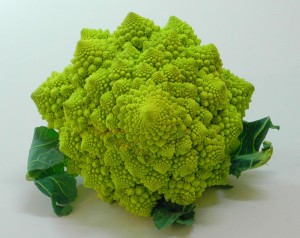
Romanesco Also in this family is Romanesco cauliflower. As a hybrid between the broccoli and cauliflower family, and with a similar sweet flavor, Romanesco has a smaller, tighter packed head with a more pyramid-like shape. Dice them up, using only the budding florets, and roast them with some olive oil, lemon juice, sherry vinegar, and red chile flakes for a whole new take on your favorite roasted veggie.
Selecting
Cauliflower is in season during the fall, although it is available throughout most of the winter. Look for firm, tight heads without bruises or brown spots, with evenly colored ivory or cream florets. A few varieties of cauliflower have a green or purple tinge, which is natural and does not change the taste. If any leaves remain, they should be green and fresh looking. Avoid cauliflower with loosely packed or spreading florets. It is acceptable if a few green shoots are showing among the florets, or if the florets look a little grainy or bristly.
Storing
Store cauliflower in a loose, perforated plastic bag in the refrigerator for up to 1 week. If you do not use the entire head, plan to eat the remaining florets within a day. Or, you may freeze them, first blanching them in lightly salted water for about 3 minutes, draining, and then putting them in rigid containers or plastic bags in the freezer for up to 1 year. Once cooked, cauliflower keeps for only 1 or 2 days in the refrigerator.
Preparing
Remove any leaves from the stem end of the head, separate the head into florets and rinse under cold running water. Trim off any brown spots. Cauliflower can be cooked whole as well and the florets separated after cooking. Steam or boil cauliflower until tender and toss with a little butter or lemon juice, or combine with other vegetables, before serving.
Adding a few drops of lemon juice or a little milk to the cooking water helps cauliflower retain its creamy white color. As with cabbage, there is no way to prevent an odor from emanating from the cauliflower during cooking. Cut cauliflower into small florets, cook them quickly, and turn on exhaust fans and open windows to disperse any odor.
Nutritive Value
1 cup cauliflower contains just 25 kcal, 0.1gm fat, 5.3gm carbohydrates, 4gm fiber, 1.98gm protein. It has a very low glycemic index.
Health Benefits
1. Immune support: All fruits and vegetables provide nutrients that strengthen the immune system, and cauliflower is no exception. It’s an excellent source of folate and vitamin C. Just three raw florets provide 67 percent of the Daily Value (DV) for vitamin C. That’s more than some citrus fruits. The same amount offers 9 percent of the DV for folate. A strong immune system is essential for staving off everything from the common cold to heart disease.
2. Cancer preventive agent: Although cauliflower’s cousin, broccoli, gets most of the attention as a nutrient powerhouse, cauliflower provides many of the same nutrients. In fact, cauliflower is an excellent source of two phytonutrients (chemical nutrients found in plants), sulforaphane and indole-3-carbinol (I3C). Together, these nutrients (found in all cruciferous vegetables) help prevent cancer in two ways. They prevent enzymes from activating cancer-causing agents in the body, and they increase the body’s production of enzymes that clean toxins and carcinogens out of the system before they can damage cells. Also, IC3 is a particularly powerful anti-tumor agent, which reduces levels of hormones that may stimulate cellular changes (and, ultimately, tumor growth) in cells of the breasts and prostate.
3. Heart Health: Cauliflower may help decrease cholesterol, particularly LDL, or bad, cholesterol in two ways. First, it is an excellent source of dietary fiber, providing about 3.5 grams, or greater than 13 percent of the DV, in 1 cup, cooked. On average, people who consume the most dietary fiber have a healthier lipid profile. Second, IC3 (powerful cancer-fighting phytonutrient mentioned above) appears to reduce the liver cells’ production of apolipoproteinB-100 (apoB) by over 50 percent. ApoB is the main transporter, or carrier, of LDL cholesterol to tissues. High levels of LDL are linked to atherosclerosis (deposit of plaque in artery walls which is a contributing factor to heart disease and stroke). In addition, folate-rich vegetables, such as cauliflower, are considered heart-protective because folate helps to lower the amount of circulating homocysteine, an amino acid linked to cardiovascular disease, in the bloodstream.
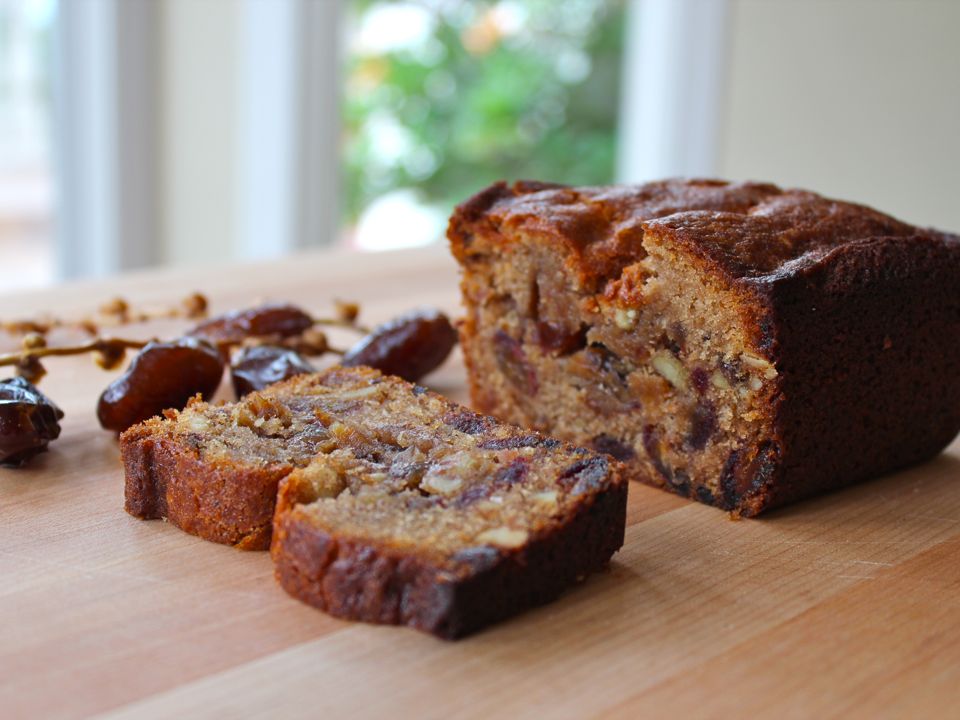
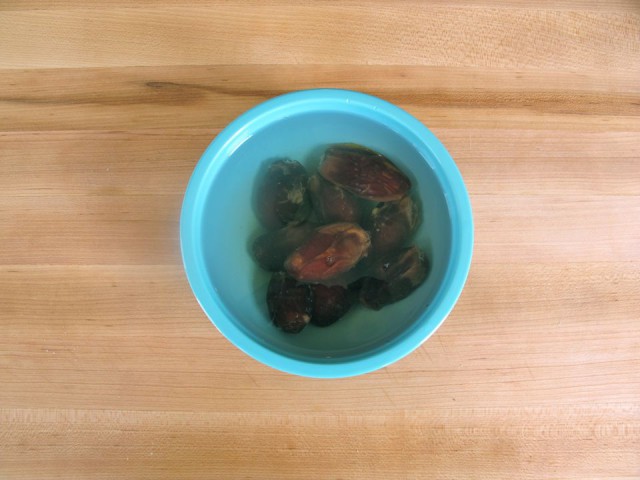
Preheat oven to 325 degrees F. Place dates into a bowl and cover them with very hot water. Let the dates soak while you prepare the cake batter.
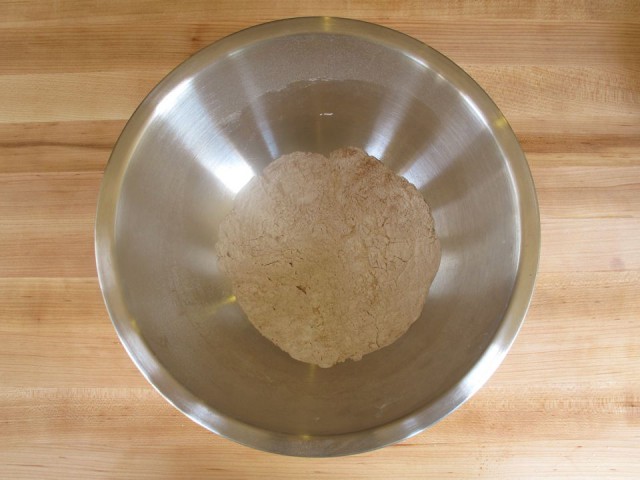
In a large mixing bowl, sift together cake flour, baking powder, cinnamon, salt, and nutmeg.
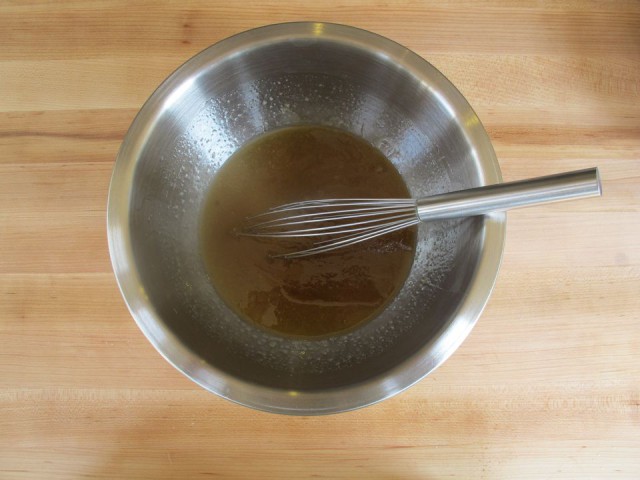
In a medium mixing bowl, whisk together vegetable oil, brown sugar, honey, eggs, and vanilla.
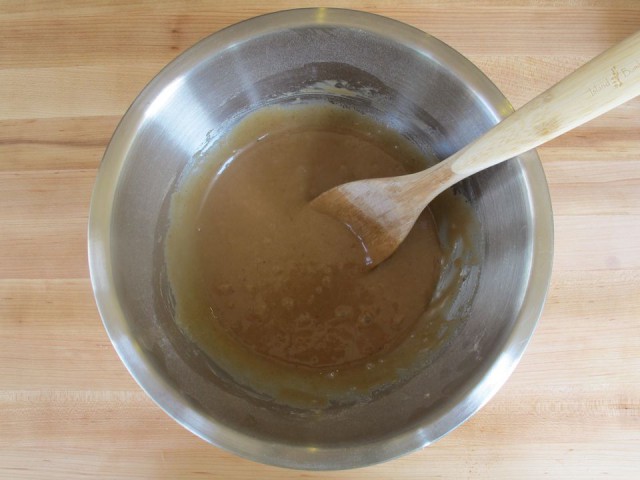
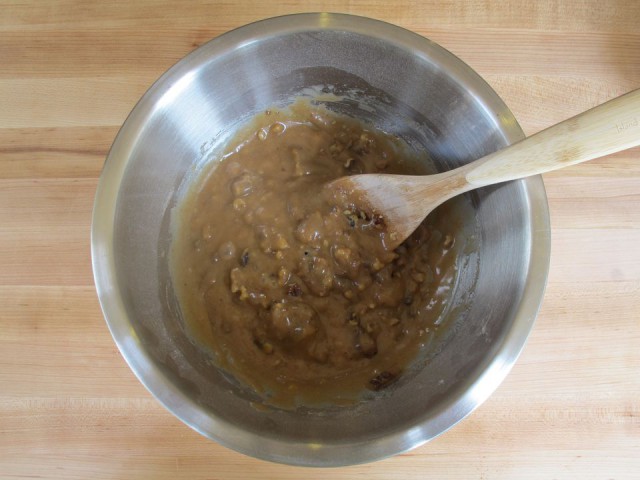
Pour the wet ingredients into the dry ingredients and stir till a thick batter forms.
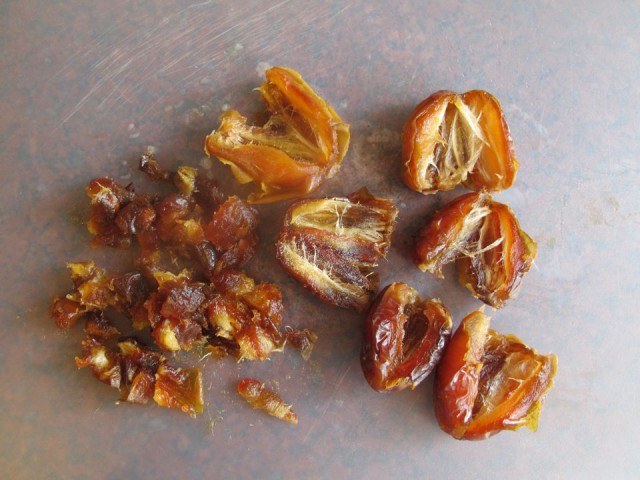
Drain water from the dates. Pit the dates, then chop the fruit into small chunks.
Fold the walnuts and date chunks into the batter.
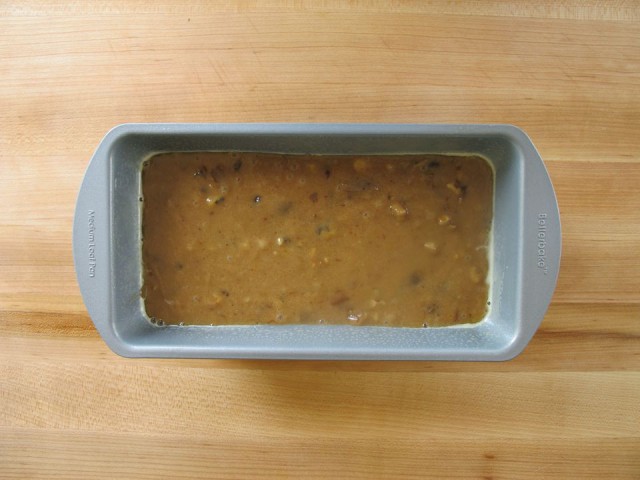
Generously grease your loaf pan with cooking spray. Pour batter into loaf pan.
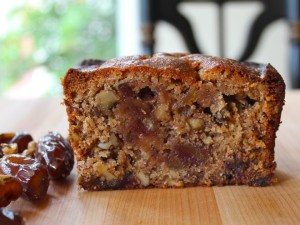
Place loaf pan in preheated oven. Bake cake for about 1 hour, or until a toothpick inserted in the center comes out clean. Remove from oven and set on a wire rack to cool.
Nutritive Facts: (per slice)
Calories 251.5 , Total fat 8.3 g, Cholesterol 48.7 mg, Total Carbohydrate 41.8 g, Dietary Fiber 2.2 g, Protein 4.1 g
Adapted from “The Shiksa in the kitchen”
Dates have been cultivated for thousands of years for their sweet, rich flavor. They’re a type of fruit that grows on date palm trees in hot, dry climates such as the Middle East, Africa and California. You may be able to find fresh dates if you live in an area where they grow. Otherwise, they are available dried, either pitted or un-pitted, year round in grocery stores.
Date Season
Dates are harvested between September and March in Arizona and California where the U.S crop is grown. If you have never had a freshly harvested date, they are worth seeking out for their sweet, caramel-like taste and soft texture. Most dates are allowed to hang on the trees to “cure” and dry a bit. These are the “fresh dates” available at many specialty grocery stores and they are also perfectly delicious.
Types of Dates
There are endless varieties of dates grown in the Middle East. In the U.S. the most commonly available dates are Deglet Noor dates, which are semi-soft, slender, and a bit chewy, and Medjool dates, which are plump and tender. Other varieties may be available at your farmers market if you’re lucky enough to have date growers selling there.
Dates are also classified by when they’re harvested, since that determines how soft or dry they are. Freshly harvested dates are very soft; most “fresh dates” for sale in the U.S. have been left on the tree for awhile after they are ripe to dry a bit (and thus last longer after harvest).
Fresh dates can be wrinkled, but they shouldn’t feel hard. Look for fresh dates that are plump looking and have a slightly glossy look to their skin. Avoid dates that have crystallized sugar on their skins (a little whiteness is okay, but not actual crystals)
Storage
Fresh dates are partially dried and last awhile. Store them in a sealable container at room temperature for several months or refrigerate for up to a year.
The antioxidant capacity of fruits, like dates, is believed to play an important role in the health benefits of diets high in fruits. Dates are rich in Polyphenols, a plant antioxidant that have a higher capacity of reducing oxidative stress. Polyphenols destroy free radicals that can cause disease. These compounds are found only in plants.
No Added Sugars
Dates produce their pure sweet flavor naturally, no added sugar is required. Their wholesome caramel-like savory taste of all natural sugar invites the most tantalizing culinary creativity. As an ingredient to any recipe, dates provide the perfect natural alternative to added sugars.
Naturally Low in Moisture
Dates are the naturally lowest moisture whole fruit grown the arid desert. While most fruits range from 75 to 95 percent moisture, fresh whole dates are less than 30 percent moisture; making them Nature’s only naturally dry fruit.
A Good Source of Fiber
A low fat diet rich in fiber-containing grain products, vegetables, and fruits like Dates may reduce the risk of some types of cancer. Dates are nutrient dense in Dietary Fiber, Potassium, and Manganese.
A Natural Balance of Minerals
Dates have a natural balance of many minerals such as calcium, magnesium, manganese, zinc, copper, iron, selenium and potassium. All of these minerals work in harmony to help lower blood pressure on a daily basis.
Using Dates
Fresh dates are best eaten just as they are, with a cup of coffee or tea alongside to cut the sweetness. Add them to salads or to sweeten roast chicken or pork. Serve them, pitted and stuffed with Parmesan or blue cheese, as simple appetizers. Or, get very Southern California, and make a date shake by whirling fresh pitted dates with ice cream!
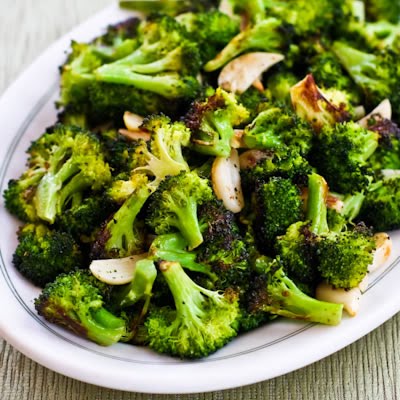
Roasted Broccoli with Garlic
(Makes about 4 servings)
Ingredients:
1 bunch broccoli, about 1 1/2 pounds, cut into bite sized flowerets
3 T extra virgin olive oil
6-8 cloves fresh garlic
salt and fresh ground black pepper to taste
Instructions:
Preheat oven to 450F/230C. Cut broccoli into bite sized pieces, and peel and slice stems if large. Slice garlic cloves, and cut slices in half if you want thinner pieces of garlic. (I don’t usually do that any more.)
Toss broccoli with olive oil, garlic, salt, and pepper, then spread on a baking sheet. Roast until broccoli is bright green and edges are starting to brown slightly, 20-25 minutes. Serve hot.
Broccoli belongs to a family of vegetables called cruciferous vegetables and its close relatives include brussel sprouts, cauliflower, and cabbage. Broccoli is high in sulforophane, a sulfur-containing compound present in cruciferous vegetables. Sulforophane has anti-cancer properties and may promote the elimination of potential carcinogens from the body. Studies suggest that a diet rich in cruciferous vegetables may reduce the risk of some cancers, especially stomach and lung cancers.
A cup of cooked broccoli offers as much vitamin C as an orange, and is very rich in beta-carotene. Broccoli contains vitamins B1, B2, B3, B6, iron, magnesium, potassium, and zinc too. It is also high in fiber and low in calories.
History of Broccoli in the United States
Broccoli has been around for more than 2,000 years but has only been commercially grown in the United States since the 1920s. Today, more than 90% of the broccoli harvested in the United States comes from California, although it is also grown in other parts of the country.
About 2 decades ago, researchers first suggested a possible link between diets high in cruciferous vegetables (a group of plants including cauliflower, cabbage, broccoli, and Brussels sprouts)) and a lower risk of cancer. However, it was not until the 1990s that certain chemicals found in broccoli were identified as possible cancer-preventing compounds.
Broccoli Varieties
There are three commonly grown types of broccoli.
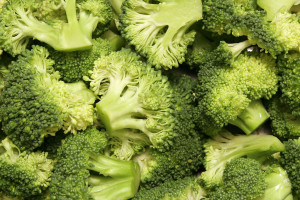
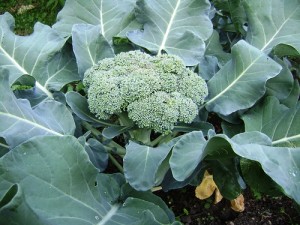
The most familiar is Calabrese broccoli, often referred to simply as “broccoli”, named after Calabria in Italy. It has large (10 to 20 cm) green heads and thick stalks. It is a cool season annual crop.
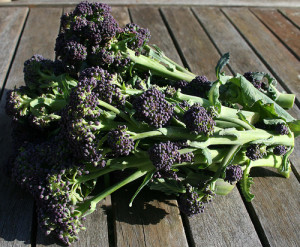
Sprouting broccoli has a larger number of heads with many thin stalks.
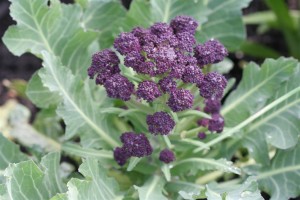
Purple cauliflower is a type of broccoli sold in southern Italy, Spain, and the United Kingdom. It has a head shaped like cauliflower, but consisting of tiny flower buds. It sometimes, but not always, has a purple cast to the tips of the flower buds.
Broccoli Season
Although readily available year-round, prime time for fresh broccoli is October through April in the Northern hemisphere. Broccoli is a cool-season crop that, like spinach, can be grown in the spring or fall. In fact, you may be able to get a continual harvest throughout both seasons if you time planting correctly.
Selection & Storage
When selecting broccoli, look for lively green leaves and firm, thin stalks. Thick stalks will be woody and are a sign of over maturity. The florets should be compact, firmly closed, and of a deep green color. Reject any heads that show any sign of yellowing or tiny yellow flowers as this is an indication of age.
Consume fresh broccoli as soon as you can as it will not keep long. To store, mist the heads, wrap loosely in damp paper towels, and refrigerate. Use within 2 to 3 days. Do not store broccoli in a sealed plastic bag. Raw broccoli requires air circulation. A perforated plastic bag is fine.
Nutrition Facts
1 cup chopped raw broccoli contains: 31 kcal, 6 gm carbohydrates, 2.4 gm fiber, 0.3 gm fat and 2.6 gm protein
Broccoli is a great source of vitamins K, A, and C, in addition to fiber, potassium, folate, and lutein.
Vitamin K – essential for the functioning of many proteins involved in blood clotting
Vitamin A – helps vision and is required for the immune system and production of red blood cells.
Vitamin C – builds collagen, which forms body tissue and bone, and helps cuts and wounds heal. Vitamin C is a powerful antioxidant and protects the body from damaging free radicals.
Fiber – diets high in fiber promote digestive health. A high fiber intake can also help lower cholesterol.
Potassium – a mineral and electrolyte that is essential for the function of nerves and heart contraction.
Folate – is necessary for the production and maintenance of new cells in the body.
Lutein - may slow progression of age-related macular degeneration and cataracts.
Health Benefits and best cooking methods:
Including broccoli in your diet regularly may reduce and prevent ailments like cancer, diabetes, heart disease, high blood pressure and it may help lower blood cholesterol.
Prevent Cancer: Broccoli is an excellent source of sulforaphane, a naturally occurring plant compound that has been shown to be protective against cancer. According to new research by the University of Illinois at Urbana-Champaign presented at the annual meeting of the American Institute for Cancer Research (AICR) in Bethesda last week, the best way to cook the vegetable is to steam it for three to four minutes. They say steaming it until it turns a bright green color can enhance its cancer-fighting compounds. The enzyme myrosinase in broccoli is needed for sulforaphane to form - so if the myrosinase is destroyed, sulforaphane cannot form. The researchers found boiling and microwaving broccoli, even for just one minute, destroys most of the myrosinase it contains. In contrast, they also discovered that steaming it for up to five minutes is the best way to retain the enzyme.
“As we’re learning, food processing isn’t just what happens to food before it reaches the grocery shelves,” AICR associate director of nutrition programs Alice Bender said in the news release. “This research highlights that what you do in your kitchen can make those fruits and vegetables on your plate even more cancer-protective.”
Prevent osteoarthritis - A British study revealed that broccoli contains sulfophane which may help fight osteoarthritis. sulforaphane can block cartilage-destroying enzymes by intercepting a molecule that causes inflammation.
Protect your skin against the effects of UV light - broccoli may help prevent skin cancer, not by eating it though, but by applying it directly to the skin. An article in the Proceedings of the National Academy of Sciences found that the damaging effects of UV radiation can be appreciably reduced with the topical application of a broccoli extract.
Reverse diabetes heart damage - Eating broccoli promotes the production of enzymes that help protect heart blood vessels and reduce the molecules that damage them.
Fun fact: Is a brocollette a kind of broccoli?
Although often misidentified as young broccoli, a broccolette or broccolini is a green vegetable similar to broccoli but with smaller florets and longer, thin stalks. It is a hybrid of broccoli and kai-lan, Chinese broccoli.
Eat more of these “little trees” to help provide you with a powerhouse of nutrients and to stay healthy!
4 tsp fresh lime juice
4 tsp water
1 1/2 tbsp white miso (fermented soybean paste)
1/4 tsp black pepper
1/8 tsp salt
1/3 cup plus 2 tbsp olive oil
6 oz. fresh spinach leaves
1 lb (about 1 1/2 large) Fuyu persimmons, peeled, halved lengthwise, seeded, and thinly sliced
1/4 medium-sized jicama, peeled and sliced into matchstick pieces
1 large, ripe avocado, halved, pitted, and thinly sliced
The dressing:
In a blender, combine lime juice, water, white miso, black pepper, and salt. Blend until smooth. With the blender running, slowly pour in olive oil. Stop pouring the olive oil a couple of times throughout this process, with blender running, to insure that the emulsification is forming well. Season to taste with additional salt and pepper.
The salad:
Place fresh spinach leaves in a serving bowl. Toss the spinach with a few tablespoons of the miso dressing. Add the persimmon, jicama, and avocado and toss with a 2-3 additional tablespoons of dressing, to taste. Serve.
The persimmon is an orange-colored fruit native to China. Several thousands of years ago, it was introduced in Japan and since then, the persimmon has become Japan’s national fruit and one of the traditional foods of the Japanese New Year. The persimmon fruits first arrived in California in the mid 1800s, making it one of the earliest commercially grown fruits in the United States. Like the tomato, persimmons are not popularly considered to be berries, but in terms of botanical morphology the fruit is in fact a berry.
There are hundreds of varieties of persimmons, with only about 2 that are easily available commercially – the fuyu and the hachiya. They are generally divided into two groups: the astringent (bitter) and the non-astringent. The fuyu belongs to the non-astringent types because it is palatable both before and after fully ripening, where as the hachiya belongs to the astringent varieties, which are only edible after fully ripening.
Fuyu Persimmons
Fuyu persimmons are distinguished by their “flat” bottoms and squat shape. Fuyus should be more orange then yellow and are at their best when just barely a teensy bit soft. They will ripen after picked, so buying rock-hard fuyus and allowing them to ripen at home can be a good strategy. Fuyus are commonly eaten raw, often sliced and peeled and salads. They can also be roasted to great effect. They have a mild, pumpkin-like flavor.The fuyu persimmon fits in the palm of a hand, slightly smaller than an apple and looks like a mini-pumpkin.
Hachiya Persimmons
Hachiya persimmons are mouth-puckeringly tart unless absolutely, supremely ripe. Ripe hachiyas are unbelievably soft - and are often almost liquified into a silky smooth pulp inside. They are elongated and oval shaped. They will ripen once picked, so you can let them soften on the kitchen counter until ready to use. Hachiyas are thought of as “baking” persimmons and are commonly peeled and pureed into a pulp to add to baked goods. They add stable moisture and a mild, pumpkin-like flavor to cakes, puddings, and other treats.
Even though in the past, the astringent hachiya persimmon variety was the most common persimmon, today the fuyu persimmon accounts for about 80% of the persimmon market, with the hachiya accounting for only about 20%.
Buying and Storage
Persimmons are best harvested in fall. You can buy them soft and ripe and eat right away or buy them hard for later use. They will ripen on their own at room temperature over a period of several days. They are generally speaking not a fast ripening fruit like strawberries or bananas. Hence an unripe bunch can last weeks. However, once ripe they do not keep well and thus should be eaten quickly.
Refrigeration is not necessary and may actually ruin the fruit.
Generally speaking it is best to eat persimmons when they are fully ripe and soft, which is when their sweet taste reaches its optimal peak. They are typically found in some stores in North America from late fall, through winter and into early spring. One can typically find them more easily in ethnic markets, where the demand for them is high.
Nutritional Benefits
Persimmons are a rich source of antioxidants, vitamin A, manganese and fiber, especially soluble fiber. They contain a fair amount of some of the B-complex vitamins, potassium and calcium. Generally speaking 1 fruit contains:
Calories: 118
Carbohydrates: 19 – 31g
Omega-3 fatty acids: 6.7mg
Omega-6 fatty acids: 65.5mg
Protein: 0.6 - 1g
Fiber: 4 – 6g
Vitamin A: 2733-2642 IU
Preparation
Persimmons are best eaten raw. They are also commonly dried. To prepare, simply wash the fruit thoroughly and then there is a choice of how one wants to cut it. Cut in half, then cut halves up into quarters/slices or just eat the halves as is. There are no pits or seeds of any kind to make eating the whole fruit uncomfortable in any way. Generally peeling is not needed, unless one is not sure of the pesticide use on the fruit. Persimmons can also be used in smoothies and purees, in which case the peel should be removed as it is tougher than some peels. It is also a great addition to any fruit or even vegetable salad.
Lemon Rice is a delicious South Indian dish you can easily put together when in a hurry. You can also make it with leftover rice. Turmeric gives lemon rice its beautiful golden color, without which it would be incomplete. Serve Lemon Rice with plain yogurt, salad and/or Papadams* for a simple, yet tasty meal.
Ingredients:
1 cup Basmati rice (or leftover rice)
2 tbsps vegetable/ canola/ sunflower cooking oil
1 tsp mustard seeds
2 tsp cilantro chopped
2 red chillies (dry) optional
1/2 cup peanuts (roasted and unsalted)
1/4 cup cashewnuts
1 tsp turmeric powder
Juice of 2 lemons
Salt to taste
Oil 2 tbsp
Preparation:
Cook 1 cup basmati rice with 2 cups water in a rice cooker. You may use leftover rice if available. Heat leftover rice before mixing in other ingredients.
Heat the oil in a pan and add the mustard seeds and dried red chillies (optional). Fry till the spluttering stops and add the peanuts and cashew nuts. Fry for another minute. Add the turmeric powder and turn off the fire.
Add the lemon juice and mix well.
Add the rice, salt to taste and mix thoroughly. Garnish with cilantro leaves.
Serve hot with Papadams.
*Papadam, is a thin, crisp disc-shaped Indian food typically based on a seasoned dough made from black gram, fried or cooked with dry heat.
Ever wondered what gives Indian food & curries its rich, yellow color? It’s the use of the least spiciest ingredient in Indian cuisine-“turmeric”. This amazing spice has a unique flavor when added even in small quantities. It is very low on the spice level and can be added to anything you cook.
Turmeric is a tropical herbaceous plant similar to ginger. The root and rootstock, or rhizome, of the plant contain curcumin, which is considered to be the active ingredient.It has been used in India for thousands of years and is a major part of Ayurvedic medicine**. It was first used as a dye and then later for its possible medicinal properties. In India, turmeric has been used as a remedy for stomach and liver ailments, as well as topically to heal sores, basically for its supposed antimicrobial property. In the Ayurvedic system(since c. 1900 BCE) turmeric was a medicine for a range of diseases and conditions, including those of the skin, pulmonary, and gastrointestinal systems, aches, pains, wounds, sprains, and liver disorders.
Curcumin has been under research for quite a while now. In September 2012, the U.S. National Institutes of Health had seventy-one registered clinical trials completed or underway to study curcumin for a variety of clinical disorders.
Turmeric rhizome
According to Dr.Andrew Weil, some very comprehensive summaries of turmeric studies to date was published by James A. Duke. Reviewing some 700 studies, Duke concluded that turmeric appears to outperform many pharmaceuticals in its effects against several chronic, debilitating diseases, and does so with virtually no adverse side effects. Here are some of the diseases that turmeric has been found to help prevent or alleviate:
Alzheimer’s disease: Duke found more than 50 studies on turmeric’s effects in addressing Alzheimer’s disease. The reports indicate that extracts of turmeric contain a number of natural agents that block the formation of the substance responsible for the plaques that slowly obstruct cerebral function in Alzheimer’s disease. Elderly villagers in India have one of the world’s lowest rates of Alzheimer’s; the reason may be the turmeric that they consume in their daily curries.
Arthritis: Turmeric contains more than two dozen anti-inflammatory compounds, which relieve pain, swelling and inflammation. By itself, curcumin - the component in turmeric most often cited for its healthful effects - is a multifaceted anti-inflammatory agent, and studies of the efficacy of curcumin have demonstrated positive changes in arthritic symptoms.
Cancer: Duke found more than 200 citations for turmeric and cancer and more than 700 for curcumin and cancer. Curcumin and/or turmeric were effective in animal models in prevention and/or treatment of colon cancer, mammary cancer, prostate cancer, murine hepatocarcinogenesis (liver cancer in rats), esophageal cancer, and oral cancer.
Supporters also claim that turmeric protects against liver diseases, stimulates the gallbladder and circulatory systems, reduces cholesterol levels, dissolves blood clots, helps stop external and internal bleeding, and relieves painful menstruation and angina (chest pains that often occur with heart disease). It is also used as a remedy for digestive problems such as irritable bowel syndrome, colitis, Crohn’s disease, and illnesses caused by toxins from parasites and bacteria.
Cooking with turmeric:
Sharp and earthy in flavor, with just a hint of ginger, turmeric complements any dish by giving it a warm color and accenting the natural flavor of the ingredients used. It should, however, be used sparingly. While turmeric tastes pleasantly spicy, a little goes a long way and it gets stronger as it cooks. Adding it to soups and stews improves the flavor, and when melted with butter and drizzled over pasta or cooked vegetables, turmeric provides a bright splash of color as well as irresistible taste.
**Ayurvedic medicine (also called Ayurveda) is one of the world’s oldest medical systems. It originated in India more than 3,000 years ago and remains one of the country’s traditional health care systems. The term “Ayurveda” combines the Sanskrit words ayur (life) and veda (science or knowledge).
Italian bruschetta (pronounced “brusketta”) is a wonderful way to capture the flavors of ripe summer tomatoes, fresh garden basil, and garlic. It is my favorite way to eat cherry or grape tomatoes, I truly enjoy the flavors incorporated by the tomatoes in combination with fresh mozzarella cheese, basil and olive oil! This simple dish adds excellent color appeal to any event and can be prepared in under 10 minutes, perfect for that last minute potluck you signed up for! It maybe served as a snack, an appetizer or as a side with soup, salad or any light entree. I usually use cherry or grape tomatoes but you can use any other kind of firm tomato for the same recipe. Soft and over ripe tomatoes will probably not be well suited for this variation.
Ingredients
Cherry or grape tomatoes- 1 cup
Fresh mozzarella cheese- 1 cup
Fresh basil leaves- 1/2 cup
Extra virgin olive oil- a drizzle
Balsamic vinegar- drizzle (optional)
French baguette/Italian bread- 1 loaf sliced (I used slices of whole wheat bread coz it was readily available in my kitchen!)
Black pepper- as needed
Roasted garlic slivers- if desired
Method
1. Slice tomatoes into halves (if using cherry or grape variety) or into cubes if using large whole tomatoes. Chop mozzarella cheese into small cubes, try to keep them the same size as the tomatoes if possible. Finely chop basil leaves.
2. Placed chopped ingredients in a mixing bowl. Drizzle olive oil and balsamic vinegar as needed. Add crushed black pepper to the mixture and toss once to blend together.
3. Toast sliced bread until golden brown in the oven or on a griddle. Place bread on a serving dish.
4. Scoop up tomato-basil-mozarella mixture onto a spoon and lightly place on toasted bread. Garnish with garlic slivers if needed.
With the sound of school bells just around the corner, it’s important to refocus your efforts to ensure your child’s health is top priority when the busy school year begins. Providing healthful meals and encouraging physical activity are essential for your child’s growth and development, and will help your child build healthy habits for the rest of his or her life.Not sure how to keep your child excited about eating healthy and moving more? Here are some tips to get on the right track.
Start the Day Off Right
Don’t skip breakfast. Studies show breakfast eaters tend to have higher school attendance, less tardiness and fewer hunger-induced stomachaches. They also score higher on tests, concentrate better, solve problems more easily and have better muscle coordination. If you are pressed for time, quick options include instant oatmeal topped with nuts or raisins, low-fat yogurt with sliced fruit or whole-grain toast with peanut butter.
Keep Lunchtime Interesting
Plan Lunch Together
Encourage kids to pack their lunch with items they like so they are less likely to throw their lunch away or swap with classmates.
Try New Foods
Pack exotic fruits like kiwi or allow them to pick fruits and vegetables they want to try at the grocery store.
Celebrate Special Days
Plan lunch around special events. For example, pack an all-red lunch for Valentine’s Day or include a fortune cookie to celebrate Chinese New Year.
Offer Choices
Vary protein sources like tuna, peanut butter, turkey or beans, and offer different whole grain items like whole-grain bread, tortillas or crackers. Rotate whole pieces of fruit (banana, orange or grapes) and cut-up vegetables (celery, carrots or broccoli).
Get Moving
Regular physical activity is vital to strengthen muscle and bones, promote a healthy body weight, support learning, develop social skills and build self-esteem. Kids are encouraged to be active for 60 minutes per day. Involving the family is a great way to spend time together. Hike together as a weekend outing, ride bikes after dinner, play catch after work or take the dog for a brisk walk.
GET A GOOD START!
Breakfast Basics for Busy Families
Eating breakfast can improve children’s behavior and school performance, as well as help them maintain a healthy weight. But a survey by the Academy of Nutrition and Dietetics Foundation reveals that breakfast isn’t eaten all of the time by 42 percent of Caucasian and Hispanic children, and 59 percent of African American children.
This news is startling; when children skip breakfast, research shows us that their brains and bodies suffer all day long.
While breakfast might seem like a hurdle in your busy morning, a healthy diet doesn’t need to take extra time to prepare.
Get Organized the Night Before: Get out a pan for pancakes or a blender for smoothies. Prepare muffin or waffle mix so it’s ready to cook in the morning.
Keep Breakfast Simple: On busy days, get the family going with something as quick as a bowl of whole-grain cereal with a banana.
Pack Your Breakfast to Go: If there’s no time to eat at home, plan a nutritious option to eat in the car or bus. Busy teens can grab a banana, a bag of trail mix and a carton of milk.
Protein, a missing component in many morning meals, helps children go strong and stay focused until lunch. Go lean with protein choices: a slice or two of Canadian bacon, an egg or egg whites, a slice of lean deli meat or low-fat cheese, a container of low-fat yogurt or peanut butter on toast.
Add in nutrient-rich whole grains to energize both kids’ bodies and brains along with an extra nutrition punch. Plus, whole grains provide a longer lasting source of energy and curb hunger as they tend to digest more slowly. Serve kids whole-grain cereals like oatmeal or whole-grain breads, muffins, waffles or pancakes.
Breakfast is a perfect time to enjoy fruits and vegetables children need for optimal health. Try fresh seasonal fruit alone or in cereal, add frozen fruits to yogurt, or toss chopped vegetables into an omelet.
Whatever your morning routine, remember that breakfast is an important meal for the family, and doesn’t have to be time consuming!
-Adapted from the American Academy of Nutrition & Dietetics
A tomato is the edible, often red fruit from the plant Solanum lycopersicum, commonly known as a tomato plant. Both the species and its use as a food originated in Mexico, and spread around the world following the Spanish colonization of the Americas. The tomato is botanically a fruit, but it is considered a vegetable for culinary purposes. The tomato belongs to the nightshade family. The plants typically grow to 1–3 meters (3–10 ft) in height and have a weak stem that often sprawls over the ground and vines over other plants. It is a perennial in its native habitat, although often grown outdoors in temperate climates as an annual. An average common tomato weighs 102–105 grams.
The tomato appears to have been first cultivated in Mexico, most likely in Aztec civilizations and probably in the form of small yellow fruits. The word “tomato” may actually originate from the Nahautl (Aztecan) word “tomatl ” meaning “the swelling fruit.” It wasn’t until the 1500’s that Spanish explorers and colonizers brought tomato seeds from Mexico back to Spain and introduced this food to European populations.Although the use of tomatoes spread throughout Europe (including Italy) over the course of the 1500’s, tomatoes did not enjoy full popularity then and were seen by many people as unfit to eat. Part of this “food inappropriateness” was associated with the status of the tomato plant as a nightshade plant and its potential poisonousness in this regard. (It’s true, of course, that tomatoes belong to the Solanaceae or nightshade family of plants, along with potatoes, sweet and hot peppers, eggplant, tomatillos, tamarios, pepinos, pimentos, paprika, and cayenne.
Today tomatoes are enjoyed worldwide—to the tune of about 130 million tons per year. The largest tomato-producing country is China (with approximately 34 million tons of production), followed by the United States, Turkey, India, and Italy.
Varieties of Tomatoes
There are around 7500 tomato varieties grown for various purposes. Heirloom tomatoes are becoming increasingly popular, particularly among home gardeners and organic producers, since they tend to produce more interesting and flavorful crops at the cost of disease resistance and productivity.
Hybrid plants remain common, since they tend to be heavier producers, and sometimes combine unusual characteristics of heirloom tomatoes with the ruggedness of conventional commercial tomatoes.
Tomato varieties are roughly divided into several categories, based mostly on shape and size.
Globe tomatoes are the usual tomatoes of commerce, used for a wide variety of processing and fresh eating.
Beefsteak tomatoes are large tomatoes often used for sandwiches and similar applications. Their kidney-bean shape, thinner skin, and shorter shelf life makes commercial use impractical.
Oxheart tomatoes can range in size up to beefsteaks, and are shaped like large strawberries.
Plum tomatoes, or paste tomatoes (including pear tomatoes), are bred with a higher solids content for use in tomato sauce and paste, and are usually oblong.
Pear tomatoes are obviously pear-shaped used for a richer gourmet paste.
Cherry tomatoes are small and round, often sweet tomatoes generally eaten whole in salads.
Grape tomatoes, a more recent introduction, are smaller and oblong, a variation on plum tomatoes, and used in salads.
Campari tomatoes are also sweet and noted for their juiciness, low acidity, and lack of mealiness. They are bigger than cherry tomatoes, but are smaller than plum tomatoes.
Selection & storage
Choose tomatoes that have rich colors. Deep reds are a great choice, but so are vibrant oranges/tangerines, brilliant yellows, and rich purples. Tomatoes of all colors provide outstanding nutrient benefits. Tomatoes should be well shaped and smooth skinned with no wrinkles, cracks, bruises, or soft spots. They should not have a puffy appearance since that characteristic is often associated with inferior flavor and may also result in excess waste during preparation. Ripe tomatoes will yield to slight pressure and will have a noticeably sweet fragrance.
Tomatoes keep best unwashed at room temperature and out of direct sunlight. It is not recommended to refrigerate as this can harm the flavor. Tomatoes that are not yet ripe can be kept in a paper bag till ripening. Storing stem down can prolong shelf life. They will keep for up to a week, depending upon how ripe they are when purchased.
Nutritive Value
1 cup of raw tomatoes contain 32 calories, 1.5gm protein, 0.25gm fat, 6 gm carbohydrate and 2 gm fiber. It also provides 40 percent of the recommended daily allowance of vitamin C, 20 percent of the RDA of vitamin A.
Tomatoes are the most concentrated food sources of lycopene. Lycopene is an antioxidant compound that gives tomatoes their color. Studies that looked at lycopene levels in the blood found that levels were higher after people ate cooked tomatoes than after they ate raw tomatoes or drank tomato juice. This suggests that lycopene in cooked tomato products such as tomato sauce or paste may be more readily absorbed by the body than lycopene in raw tomatoes. Eating lycopene-rich vegetables and fruits together with a small amount of oil or fat (for example, salad oil or cheese on pizza) increases the amount of lycopene absorbed by the intestines. Tomatoes are also an excellent source of free radical-scavenging vitamin C and vitamin A as well as bone-healthy vitamin K.
Health Benefits
Tomatoes are the biggest source of dietary lycopene; a powerful antioxidant that protect against certain kinds of cancer and neurodegenerative disease. Tomatoes also contain other protective mechanisms, such as antithrombotic and anti-inflammatory functions. Research has additionally found a relationship between eating tomatoes and a lower risk of health conditions, including cardiovascular disease, osteoporosis, ultraviolet light-induced skin damage, and cognitive dysfunction.
Preparation & uses
Tomatoes have been used for generations by cuisines from around the world. They may be consumed raw in salads, dips and sauces or cooked with other ingredients into a soup or main dish. Its sweet/acidic flavor renders a unique taste to many meal preparations.
Stay tuned for some easy and delicious recipes using tomatoes..
You’ve probably heard of prebiotics and probiotics, but do you know what they are? Nutrition research has pinpointed specific functional components of foods that may improve health, and prebiotics and probiotics are two such substances.
Though they are available as dietary supplements, it is not necessary to use special pills, potions, cleanses, or other concoctions to incorporate prebiotics and probiotics into your diet. These “nutrition boosters” are natural ingredients in everyday food. In fact, Kristi King, MPH, RDN, CNSC, LD, spokesperson for the Academy of Nutrition and Dietetics, suggests focusing on the food sources first. “They are more readily available for absorption and digestion,” she says.
While research continues in this area of nutrition — investigating how effective and safe these substances are and how much we need to obtain health benefits — here’s what we know now.
What Are Prebiotics and What Do They Do?
Prebiotics are natural, non-digestible food ingredients that are linked to promoting the growth of helpful bacteria in your gut. Simply said, they’re “good” bacteria promoters. That’s right, not all bacteria are bad! Prebiotics may improve gastrointestinal (GI) health as well as potentially enhance calcium absorption.
Prebiotics in Your Diet
Prebiotics include fructo-oligosaccharides (FOS), such as inulin, and galacto-oligosaccharides (GOS). But rather than focusing on these lengthy words, include more prebiotics in your diet by eating these foods recommended by King: bananas, onions, garlic, leeks, asparagus, artichokes, soybeans and whole-wheat foods.
What Are Probiotics and What Do They Do?
Probiotics are actually the “good” bacteria — or live cultures — just like those naturally found in your gut. These active cultures help change or repopulate intestinal bacteria to balance gut flora. This functional component may boost immunity and overall health, especially GI health. For instance, probiotics have been used for treatment of irritable bowel syndrome. Some strains of these live cultures may help prevent specific allergy symptoms, reduce symptoms of lactose intolerance, and more. Effects can vary from person to person.
Probiotics in Your Diet
To obtain more probiotics, King recommends enjoying fermented dairy foods like yogurt, kefir products, and aged cheeses, which contain live cultures, such as bifidobacteria and lactobacilli. Plus, she suggests some non-dairy foods which also have beneficial cultures, including kimchi, sauerkraut, miso, tempeh and soy beverages.
What Makes Prebiotics and Probiotics the “Dynamic Duo?”
Ultimately, prebiotics (“good” bacteria promoters) and probiotics (“good” bacteria) work together synergistically. In other words, prebiotics are breakfast, lunch and dinner for probiotics, which restores and can improve GI health. Products that combine these together are called synbiotics. On the menu, that means enjoying bananas atop yogurt or stir-frying asparagus with tempeh is a win-win.
So be sure to include food sources of prebiotics and probiotics on your grocery shopping list, taking the time to double check labels when at the market. Though you won’t find a Food and Drug Administration (FDA) health claim on products that provide these “nutrition boosters,” you may find a structure-function claim, such as “promotes a healthy digestive system.”
The bottom line: At minimum, prebiotics and probiotics are keys for good gut health. “I think we are at an exciting time in research,” says King. “We’re finding that the gut flora is responsible for more than just digestion.”
Basically, incorporating health-promoting functional foods, such as foods containing prebiotics and probiotics, into the diet potentially aids in creating a healthier you.
Adapted from the American Academy of Nutrition & Dietetics
The strawberry belongs to the genus Fragraria in the rose family, along with apples and plums. The name of the scientific classification was derived from the Old Latin word for fragrant. The modern Italian word for strawberry is still “Fragola”. The fruit is widely appreciated for its characteristic aroma, bright red color, juicy texture, and sweetness. Strawberries have grown wild for millennia throughout the world. Today, there are over 600 varieties of strawberries that all differ in flavor, size and texture.
The strawberry is not classified by botanists as a true berry. True berries, such as blueberries and cranberries have seeds inside. The strawberry, however has its dry, yellow “seeds” on the outside (each of which is actually considered a separate fruit). On an average, there are 200 tiny seeds in every strawberry.
History:
There is a legend that strawberries were named in the nineteenth-century by English children who picked the fruit, strung them on grass straws and sold them as “Straws of berries”. Another theory is the name was derived from the nineteenth-century practice (ands still today, although most farms use raised beds, enclosed in plastic) of placing straw around the growing berry plants to protect the ripening fruit. But the most widely held view is that the name Strawberry was derived from the berries that are “strewn” about on the plants, and the name “strewn berry” eventually morphed into “Strawberry”
Native American Indians called strawberries “heart-seed berries” and pounded them into their traditional corn-meal bread. Discovering the great taste of the Native Americans bread, colonists decided to create their own version, which became an American favorite that we all know and love .. Strawberry Shortcake.
The English and French also found strawberries used the beautiful heart-shaped berries to landscape their gardens. In fourteenth-century France, Charles V ordered twelve hundred strawberry plants to be grown in the Royal Gardens of the Louvre. Strawberries have long been associated with love and flirtation. At wedding breakfasts in provincial France, newlyweds traditionally were served a soup of thinned sour cream, strawberries, borage and powdered sugar.
Season:
Strawberries are available year round, but peak strawberry season is April through July. They are planted from the end of September through the end of October. The largest producing state, California harvests 83% of the strawberries grown in the U.S.. Florida is the second largest producing state. Ideal temperature for strawberry plants should not exceed higher than 78 degrees or lower than 55 degrees. Every strawberry plant is hand-picked approximately every three days. This is the time in which it takes for strawberries to complete their cycle of turning from green to white to red. There is no storage of fresh strawberries. After picking, they are rushed to coolers where huge fans extract the field heat. Then they are delivered to supermarkets across the country via refrigerated trucks.
Buying and storage:
- Strawberries do not ripen after they are picked, so look for ones that are shiny with a deep, red color and are firm, plump, and free of mold. Avoid ones that are dull in color or have green or yellow patches.
- Do not wash strawberries until you’re ready to eat them or use them - strawberries are like small sponges, ready to soak up all the water they can come into contact with, and once they’ve soaked it up they are quicker to turn to mush and rot away.
- If you plan on eating or cooking with the berries within a day and it’s not too terribly hot in your kitchen, you can leave the strawberries out at room temperature. For overnight storage, however, you’re better off refrigerating them.
- Line a shallow bowl or rimmed plate with several layers of paper towels or a clean kitchen towel, place the strawberries in more or less a single layer on the towels, cover, and chill the berries until you’re ready to use them. Stored this way, very fresh strawberries will keep for several days. The closer you can create this dry (the paper towels soaks up excess moisture) and un-pressed (single layer) situation, the better.
- If you’re not planning on using the strawberries within a few days, you’re better off freezing them than trying to keep them all fresh and unblemished. Frozen strawberries are perfect for whirling in smoothies, turning into sauces, or baking up in pies, tarts, cakes, and other treats.
Nutritional Value:
- 1 cup strawberries contain 49 calories, 0.46 gm fat, about 12 gm carbohydrates, and 1 gm protein.
- Eight medium-sized strawberries contain 140% of the U.S. RDA for Vitamin C. One cup of fresh strawberries provides about 88 milligrams of ascorbic acid, which more than meets the Recommended Daily Dietary allowance of 45 milligrams for the average adult. Vitamin C is well retained when the strawberries are handled carefully. Capping, injuring, cutting, or juicing, however, will reduce the vitamin content.
- In addition, strawberries are good sources of folic acid, potassium and fiber.
Health Benefits
Strawberries are loaded with phytonutrients, plant chemicals that contain protective, disease-preventing, compounds, which have been shown to have health benefits. Phenolic compounds are complex organic molecules that a plant produces for protection against diseases and environmental elements. They are also responsible for a fruit’s color, flavor, and aroma.
Flavonoids are a type of phenol known to be potent antioxidants. They have also been shown in studies to lower the risk of cardiovascular disease by inhibiting the oxidation of low density lipoprotein (LDL) or “bad cholesterol”, improving blood vessel function, and decreasing the tendency for blood clotting. In addition, studies have shown that flavonoids decrease the inflammatory process in the body, which helps protect the heart.
How to enjoy
Add sliced strawberries to a mixed green salad.
Layer sliced strawberries and other fruit with plain yogurt to make a parfait dessert.
Add strawberries to a smoothie with yogurt and orange juice.
Mix chopped strawberries with cinnamon, lemon juice, and maple syrup to use as a topping for waffles and pancakes.
Create a coulis sauce for desserts by blending strawberries with a little bit of orange juice.
Place sliced strawberries on toast instead of jam.
Dip strawberries in antioxidant rich dark chocolate for a delicious and nutritious dessert.
1/2 onion, finely chopped
2 garlic cloves, very thinly sliced
1 cup tomato puree (such as Pomi)
2 tablespoons olive oil, divided
1 small eggplant (my store sells these “Italian Eggplant” that are less than half the size of regular ones; it worked perfectly)
1 smallish zucchini
1 smallish yellow squash
1 longish red bell pepper
Few sprigs fresh thyme
Salt and pepper
Few tablespoons soft goat cheese, for serving
Preheat oven to 375 degrees F.
Pour tomato puree into bottom of an oval baking dish, approximately 10 inches across the long way. Drop the sliced garlic cloves and chopped onion into the sauce, stir in one tablespoon of the olive oil and season the sauce generously with salt and pepper.
Trim the ends off the eggplant, zucchini and yellow squash. As carefully as you can, trim the ends off the red pepper and remove the core, leaving the edges intact, like a tube.
On a mandoline, adjustable-blade slicer or with a very sharp knife, cut the eggplant, zucchini, yellow squash and red pepper into very thin slices, approximately 1/16-inch thick.
Atop the tomato sauce, arrange slices of prepared vegetables concentrically from the outer edge to the inside of the baking dish, overlapping so just a smidgen of each flat surface is visible, alternating vegetables. You may have a handful leftover that do not fit.
Drizzle the remaining tablespoon olive oil over the vegetables and season them generously with salt and pepper. Remove the leaves from the thyme sprigs with your fingertips, running them down the stem. Sprinkle the fresh thyme over the dish.
Cover dish with a piece of parchment paper cut to fit inside.
Bake for approximately 45 to 55 minutes, until vegetables have released their liquid and are clearly cooked, but with some structure left so they are not totally limp. They should not be brown at the edges, and you should see that the tomato sauce is bubbling up around them.
Serve with a dab of soft goat cheese on top, alone, or with some crusty French bread, atop polenta, couscous, or your choice of grain.
Squashes are gourds that belong to the same family as melons and cucumbers. Most varieties have a creamy white flesh on the inside protected by an out- side rind or soft shell. Squash has been a part of the Native American diet for more than 5000 years. When early Europeans settled in America, they began to eat squash. George Washington and Thomas Jefferson loved to grow squash. In the nineteenth century, sailors returned from South and Central America with many new varieties. This exploration resulted in the various colors, shapes, and sizes that are available today.
Season
Summer squash is a warm season plant. It grows best at temperatures between 65° and 75° F. Summer squash is available all year but is best from May to August. Summer squash vines are very prolific, the more harvest the greater the yield. The most important characteristic to remember is that summer squash is best when immature, young and tender.
Types
All types of summer squash are alike enough to be mixed in recipes. Here are some varieties.
Zucchini: This is the most popular summer squash. The shape of a zucchini looks like a cucumber. Zucchini skin is medium to deep green, with paler green spots or stripes.
Patty pan: Patty pan is also called cymling or scallop squash. This is a green-white, disk- shaped squash. Its flesh is white and tender. Yellow patty pan squash (such as Sunburst) is similar but more cup-shaped. Scallopini is the name of a smaller green-scalloped version.
Yellow straight- neck: This squash forms a cylinder that gets thinner at one end. Its skin may be bumpy like crook- neck’s. The flesh is lighter in color than a crookneck’s.
Yellow crookneck: This squash is bottle- shaped with a thin, curved, swan-like neck. Yellow crookneck squash has yellow, some- times bumpy, skin and yellow flesh.
Chayote: Although best known in the South and Southwest, chayote (chy-o- tay, to rhyme with coyote) is becoming popular in other parts of the US. Chayote is a pale green, dark green, or white pear-shaped summer squash. It is also called mirliton, vegetable pear, and christophene. Unlike other summer squash, chayote has a large seed and a thick ridged skin. This type of squash needs a longer cooking time.
Nutritive value
Summer squash is more than 95% water. Squash is low in calories, sodium, and fat. 1 cup of chopped yellow squash contains only 18 calories and provided 32% daily value for Vitamin C. Only when eaten with the skin, summer squash is a good source of vitamin C. To get the most nutrients, eat the entire vegetable including the flesh, seeds, and skin.
Not only are the bright yellow and orange flowers of the zucchini plant beautiful, but they are also edible! The flowers have moderate amounts of beta carotene and vitamin C.
Selection & storage
When buying, look for squash that are tender and firm. Tender squash has glossy skin instead of dull skin. It is neither hard nor tough. Select squash that have no bruises. Avoid stale or over-mature squash. This squash will have a dull skin and a hard, tough surface. Squash with these qualities will also have a dry, stringy texture inside. Avoid squash with discolored or pitted areas.
To store squash, place in a plastic bag and store in the crisper of the refrigerator. Summer squash will keep for a week in the refrigerator.
Preparing squash
Squash is inexpensive and can be eaten raw or cooked. It has a mild flavor and a nice texture that fits many dishes. Wash squash well and trim the ends. Summer squash does not need to be peeled or seeded. They can be baked, salted, sautéed, microwaved, steamed or stir fried for best taste. Adding a variety of spices and herbs can render flavors to squash which are naturally very mild.
Enjoy this bountiful vegetable before the end of summer. At just 18 calories a serving, summer squash is a delicious, colorful and low calorie addition to any meal! Stay tuned for some easy squash recipes..
Study links procedure to genetic activity in children
By Randy Dotinga HealthDay Reporter
TUESDAY, May 28 (HealthDay News) — Weight-loss operations in women could be a genetic bonus for the health of their future children, a new study suggests.
Researchers found differences in the activity of genes in children born to women after they’d had gastric bypass surgery compared to their siblings born before surgery. The changes suggest that the kids born after surgery, to thinner mothers, will fare better in terms of heart health because of benefits gained in the womb.
“It appears that there’s an effect that is transmitted to the next generation,” said study co-author Marie-Claude Vohl, a professor at Laval University in Quebec City. “This may have some consequence later in life for the health of the children.”
The study isn’t definitive, and researchers don’t know exactly how much the health of kids may be affected by being born to a thinner mother. It’s also not clear if there’s something unique about weight-loss surgery or if the key is to simply drop pounds.
Weight-loss surgery, which aims to limit the amount of food that patients can eat, is no simple matter. It’s expensive, involves risk and is not always covered by insurance. However, severe obesity is itself a major health risk.
In the new study, researchers examined the genetic makeup of 50 children who were born to 20 mothers before or after they underwent gastric bypass surgery.
The researchers suspected that the genes of children born after surgery would act differently than those born before. They found several thousand genes that did just that, and the differences in the post-surgery children suggest they’re in better shape health-wise.
As far as physical differences, children born to mothers before weight-loss surgery weighed more and had greater waist and hip girth compared to the others. Children born to mothers after weight loss-surgery had better fasting insulin levels and lower blood pressure.
“It’s more evidence that the benefits of gastric bypass surgery extend beyond the original aim of weight loss,” said Dr. Francesco Rubino, a metabolic and bariatric surgeon with the Catholic University of Rome, who was not involved with the study. Other research has linked weight-loss surgery, in some cases, to major improvements in diabetes.
What’s going on? It’s not a matter of the mothers transferring different genes to the children based on whether they’d had surgery. Instead, weight-loss surgery seems to affect the activity of the genes in the children’s bodies even outside the womb, he said.
Dr. Edward Phillips, vice chair of the department of surgery at Cedars-Sinai Medical Center, in Los Angeles, said it’s a mystery how that might happen.
“If you’re a fetus, you’re bathed in a bunch of chemicals and hormones,” Phillips said. “But when you’re out in the real world, why wouldn’t your own genes go back to the basic set of what they were supposed to be?”
Could weight-loss surgery in fathers have a similar effect on their subsequent children? Researchers don’t know. There are other questions too. Might the children born after their mothers had surgery be exposed to a different kind of environment than their older siblings, especially in regard to food? Could that affect how their genes act?
Phillips said those questions need to be answered. But, he said, this is still “an exciting early study” that opens the door toward greater understanding of genes and weight.
The study appeared online May 27 in the Proceedings of the National Academy of Sciences.
Lassi is a northern Indian beverage made with plain yogurt and an assortment of flavorings. It is usually served cold as an accompaniment to a spicy meal or it can be consumed on it’s own as a refreshing drink! Mango lassi, in particular, is most popular in the United States and other parts of the world.
INGREDIENTS
1 cup non-fat plain Greek yogurt
1/2 cup water or 1 cup ice
1 cup fresh chopped mango (peeled and stone removed)
1 tablespoon honey, to taste
A dash of ground cardamom (optional)
METHOD
Put mango, yogurt, milk, honey and water/ice into a blender and blend for 2 minutes, then pour into individual glasses, and serve. Can sprinkle with a little cardamom.
The lassi can be kept refrigerated for up to 24 hours.
Mango is king of the fruits. It is one of the most popular, nutritionally rich fruits possessing unique flavor, fragrance, taste, and heath-promoting qualities making it a “super fruit”. The mango originated in Southeast Asia where it has been grown for over 4,000 years. Over the years mango groves have spread to many parts of the tropical and sub-tropical world, where the climate allows the mango to grow best. Mango trees are evergreens that will grow to 60 feet tall. The mango tree will fruit 4 to 6 years after planting. Mango trees require hot, dry periods to set and produce a good crop. Most of the mangos sold in the United States are imported from Mexico, Haiti, the Caribbean and South America. Today there are over 1,000 different varieties of mangos throughout the world.
Season:
Mangoes are seasonal fruits; fresh mango fruit season begins in the month of May, when the rich fragrance heralds its arrival.
Mangoes are usually harvested while they are green but perfectly mature. Un-ripe ones are extremely sour to taste. Organic mangoes are left to ripen on the tree; however, over-ripened fruits fall off from the tree.
Selection & Storage:
Selecting the ripeness of mangos can be determined by either smelling or squeezing. A ripe mango will have a full, fruity aroma emitting from the stem end. Mangos can be considered ready to eat when slightly soft to the touch and yielding to gentle pressure, like a ripe peach. The best flavored fruit have a yellow tinge when ripe; however, color may be red, yellow, green, orange or any combination. The ideal post harvest storage temperature for mangos is 55º F. When stored properly a mango should have a shelf life of 1 to 2 weeks. We have found that the best way to ripen a mango is at room temperature, on the kitchen counter and if you wish to accelerate the process place in a paper bag overnight (some folks place an apple with the mango in the bag to create more natural ethylene gas and further decrease the ripening time). Once ripened the mango can be refrigerated for a few days, but should be used shortly thereafter.
Nutritive Value
1 cup of sliced mango contains 107 calories, 0.45 gm total fat, 28 gm carbohydrates, 3 gm fiber, 0.84 gm protein and it is rich in Vitamin A (25%), Vitamin C (76%), Vitamin B6 (11%), Vitamin E (9%) and folic acid (6%)
Health Benefits
-Research has shown that antioxidant compounds in mango fruit have been found to protect against colon, breast, leukemia and prostate cancers
-The high levels of fiber, pectin and vitamin C help to lower serum cholesterol levels, specifically Low-Density Lipoprotein
-Mangoes can be used both internally and externally for the skin. Mangoes clear clogged pores and eliminates pimples.
- One cup of sliced mangoes supply 25 percent of the needed daily value of vitamin A, which promotes good eyesight and prevents night blindness and dry eyes.
You will find mangoes at many farmer’s markets or grocery stores this time of the year when they are at their juiciest. They make a great snack, maybe added to salad, salsa, chutneys and sauces and also taste great in juices and smoothies. Stay tuned for mango recipes..
This is my favorite Chia recipe.. You can also try adding chia seeds to a combination of watermelon and lime juice for a refreshing and colorful drink! Enjoy!!
Excuse me, but I must ask you what you are drinking? I’ve never seen anything like it before!
Those are the kinds of questions a girl gets asked when she’s toting this drink to a spin class. You get stares, sideways looks, and nervous smiles. The people out there are curious and they need to know that you aren’t drinking little black bugs. They need to be able to sleep at night. For goodness sake, tell them what you are drinking so they can get back to their workout!
So I tell them with a big smile, Chia bugs. Then there’s an awkward pause and even more confusion.
Ok, ok, it’s actually a healthy beverage called Chia Fresca which has been a popular drink in Mexico and Central America for many years. I’m sure many of you have heard of it before or even made it yourself. It’s made up of water, chia seeds, lemon or lime juice, and sweetener.
When chia seeds are soaked in water a gelatinous coating forms around the seed very similar to a tomato seed. This makes it very easy to swallow so the seeds don’t get stuck in your throat. Chia Fresca probably isn’t for people with texture issues (cough, cough husband), but I’ll leave that up to your discretion. I recently brought it back into my life to get a boost of Omega-3 fatty acids in my diet. It’s so much more fun than drinking plain water! Plus, it’s a total conversation starter much like bringing a Green Monster into the work place. I know you’ve been there. Well, why not bring Chia Fresca and show them just how crazy you can really be?
Here’s a quick refresher on chia seeds:
Chia seeds are rich in Omega-3 fatty acids, even more so than flax seed
Chia seeds do not need to be ground to be absorbed by the body and they can be stored for long periods of time without going rancid
They help with hydration due to their ability to absorb up to 9-10 times their weight in water
Chia seeds also contain fibre, protein, calcium, magnesium, copper, iron, and zinc among many other nutrients
Chia seeds like to get stuck in your teeth. You were warned.
Chia Fresca is said to boost energy levels too. I’m not really sure if it boosts my energy or not, but I sure feel happy and hydrated when I drink it. When I have some on hand, I like to pair it with coconut water for a natural potassium boost after a tough workout, but water is just fine too.
Edited to add: Some of you were asking me about the thickness of this drink so I thought I would add a few words on this. I wouldn’t say it has a smoothie-like texture, but it’s more like a water consistency just with a whole slew of gel-y seeds in it. Does that make any sense? You just have to try it for yourself. My guess is you will either love it or hate it.
Chia Fresca
Yield: 2 cups
Ingredients:
2 cups water or coconut water
1.5 tbsp chia seeds
1/2 tbsp fresh lemon or lime juice, or to taste
Sweetener, to taste (I like 1/2 tbsp maple syrup) optional
1. Add chia and water into a jar or glass and stir very well to combine. Let sit for 10 minutes to allow the chia seeds to swell up. I like to use a jar with a lid so I can shake it up really well and break up the clumps of chia.
2. Add lime/lemon juice and sweetener to taste. Stir (or shake) well to combine and enjoy!
Nutritional info:
Chia Fresca (for the entire recipe using 1.5 tbsp chia seed. Does not include sweetener)
Please note the nutritional info does not include sweetener.
Note: Chia seeds will sink and collect at the bottom of the glass quickly. Give it a good stir as needed.
Salvia hispanica, commonly known as chia, is a species of flowering plant in the mint family, Lamiaceae, native to central and southern Mexico and Guatemala. Chia seed is traditionally consumed in Mexico, and the southwestern United States, but is not widely known in Europe. Today, chia is grown commercially in its native Mexico, and in Bolivia, Argentina, Ecuador, Australia and Guatemala. It is used in Mexico and Guatemala, with the seeds sometimes ground, while whole seeds are used for nutritious drinks and as a food source.
Chia is the Mayan word for strength. Chia seeds were an important energy source for Mayans, Incas and other ancient cultures, and remain a dietary staple in many South and Central American countries.
Season:
Chia is an annual herb growing to 1 m (3.3 ft) tall. Its flowers are purple or white and are produced in numerous clusters in a spike at the end of each stem.It grows well in 20-55 degree fahrenheit weather.
NutritionalValue:
One ounce of chia (about 2 tablespoons) contains 139 calories, 4 grams of protein, 9 grams fat, 12 grams carbohydrates and 11 grams of fiber, 2282 mg of Omega 3 and 752 mg of Omega 6 fatty acids. The seeds also have 18% of the recommended daily intake of calcium, 27% phosphorus and 30% manganese, similar in nutrient content to other edible seeds such as flax or sesame.
Unlike flax seed, chia seeds don’t have to be ground and they don’t go rancid the way flax does. They are the absolute best source of omega three fats on the market when you consider the ratio of omega three to omega six.
Health benefits:
Emerging research suggests that including chia seeds as part of a healthy diet may help improve cardiovascular risk factors such as lowering cholesterol, triglycerides and blood pressure. However, there are not many published studies on the health benefits of consuming chia seeds and much of the available information is based on animal studies or human studies with a small number of research participants. A significant concentration of fiber combined with their ability to absorb 10 times their weight in water makes chia seeds excellent for maintaining bowel regularity. This fiber content is believed to help normalize blood glucose levels by slowing the conversion of carbohydrates into sugar. Due to its highly absorbent nature in the presence of water, it improves satiety levels, prevents overeating and promotes weight loss when combined with a healthy lifestyle.
How to eat Chia
Chia seeds can be eaten raw or prepared in a number of dishes. Sprinkle ground or whole chia seeds on cereal, rice, yogurt or vegetables. In Mexico, a dish called chia fresco is made by soaking chia seeds in fruit juice or water. Chia seeds are very absorbent and develop a gelatinous texture when soaked in water making it easy to mix them into cooked cereal or other dishes.
The seeds are not the only important part of the chia plant; the sprouts are also edible. Try adding them to salads, sandwiches and other dishes. Chia will keep you fuller longer and prevent you from overeating. You have that feeling of fullness in your stomach because when you wet chia seeds, they form a gelatinous substance that takes longer to digest. It packs a nutritional punch without adding a lot of food to your diet.”
To summarize, chia is an extremely nutrient-dense food with high antioxidant content. It is clearly the superfood of 2013 and will be the focus of a lot of nutrition research this year. This ingredient is a must-add to your diet!
Oranges are the citrus fruit that belong to the family of Rutaceae, a flowering plant family which also includes pomelo, grapefruit, and tangerine (mandarin orange). They are one of the most popular fruits around the world. While they are delightful as a snack or as a recipe ingredient, it is their juice that is most associated with good health, having a reputation for being an integral part of a healthy breakfast.
Types: Oranges are classified into two general categories—sweet and bitter—with the former being the type most commonly consumed. Popular varieties of the sweet orange (Citrus sinensis) include Valencia, Navel and Jaffa oranges, as well as the blood orange, a hybrid species that is smaller in size, more aromatic in flavor and has red hues running throughout its flesh. Bitter oranges (Citrus aurantium) are oftentimes used to make jam or marmalade, and their zest serves as the flavoring for liqueurs such as Grand Marnier and Cointreau.
Season: Like most citrus plants, oranges do well under moderate temperatures – between 15.5 and 29 °C (60 and 84 °F) – and require a huge amount of sunshine and water. Depending on the variety of orange, they can be harvested in the spring, fall or winter months.
Storage: Oranges can be stored refrigerated in controlled-atmosphere chambers for up to 12 weeks after harvest. In stores and markets, oranges should be displayed on non-refrigerated shelves.At home, they have a shelf life of about one week at room temperature and one month in the refrigerator. In either case, they are optimally stored loosely in an open or perforated plastic bag.
Health benefits: Oranges are rich in Vitamins C and A, flavonoids, antioxidants, calcium, magnesium, potassium, dietary fiber etc. Oranges have more than 60 flavonoids and 170 phytonutrients that have been shown to have anti-inflammatory, anti-tumour and anti-oxidant properties. Hesperidin is an antioxidant found in very high levels in orange peel. Oranges also protect against cardiac, respiratory, kidney and rheumatoid arthritic disorders.
Nutritional Value: 1 medium sized orange contains 62 calories, 87% water, 70 mg Vitamin C (Recommended daily allowance: 75-90mg), 269 IU Vitamin A, 15 gm carbohydrate, 237 mg potassium and 3 gm fiber.
Fun fact: The word orange is derived from the Sanskrit word “naranga” meaning “orange tree”. It is true that the fruit was named before the color! Prior to the English-speaking world being exposed to the fruit, the color was referred to as “yellow-red” (geoluhread in Old English)
Orange juice vs whole oranges: Hesperidin, the most important phytonutrient in oranges which is found in the peel and inner white pulp of the orange, rather than in its liquid orange center, has been shown to lower high blood pressure & cholesterol and to have strong anti-inflammatory properties. This beneficial compound is too often removed by the processing of oranges into juice. In addition to the phytonutrient composition, a large quantity of dietary fiber (pulp) is removed during the juicing process, so when possible always reach for a whole orange!
So I made this pasta last night with the kale pesto I had written about earlier and guess what? Nobody could guess that I made it using kale as a major ingredient and it was a huge hit. It tasted exactly like the pesto pasta I usually make with basil or cilantro, so this recipe is a winner and here to stay in my kitchen! The best part, it is simple and quick!!
Ingredients:
1 bag whole wheat penne
1 Red bell pepper sliced thin
1/2 cup button mushrooms sliced in halves
1/2 cup fresh cut broccoli
2 Tbsp Olive oil
Kale pesto (recipe in earlier blog)
Method:
1. Bring whole wheat pasta to boil in a large pan
2. Cook pasta Al dente and drain in a colander
3. Add 2 Tbsp of olive oil to the same pan, toss in chopped vegetables for 2-3 minutes
4. When vegetables are still crunchy, add fresh ground pesto paste. You may add some water if it is too thick. Allow the sauce to blend in
5. Add cooked penne pasta to the above mixture and stir well. Remove from stovetop and serve with grated parmesan!
1 bunch raw kale, stems removed, coarsely chopped (about 1/2lb)
1/4 cup extra virgin olive oil
2 tbsp water
Juice of ½ a lemon
1 Tbsp Fresh whole pepper
Salt to taste
Directions
Combine the walnuts, pepper, garlic, and Parmigiano-Reggiano in a food processor and pulse repeatedly until all ingredients are coarsely chopped.
Add the kale, olive oil, water, and lemon juice and pulse again until you’ve got a nice, thick paste. If necessary, add a bit more water or olive oil to loosen it up.
Season with salt to taste, making sure to give one last mix.
Kale is a form of cabbage, with green or purple leaves, in which the central leaves do not form a head. It is considered to be closer to wild cabbage than most domesticated forms. Other vegetables in the same species include broccoli, cauliflower, collard greens and brussels sprouts.
Kales can be classified by leaf type:
Curly leaved (Scots Kale)
Plain leaved
Rape Kale
Leaf and spear (a cross between curly leaved and plain leaved Kale)
Cavolo nero (also known as black cabbage, Tuscan Cabbage, Tuscan Kale, and dinosaur Kale)
Kale is grown in cool temperature. It tastes sweeter and more flavorful when exposed to a frost. It turns bitter in the summer heat. It is best enjoyed in the winter months.
Nutritional Value: Kale is very similar in nutrient composition to brussels sprouts. It is very high in beta carotene, Vitamin K, Vitamin C, fiber and calcium. Kale has cancer preventive properties and promotes DNA repair in cells. It also contain resins that lower cholesterol and decreases dietary fat absorption.
Preparing Kale:
Kale is as easy to cook as spinach. Here are some tips..
If you are cooking with mature leaves, remove the tough stems before cooking — they are rather stringy and don’t add much flavor to the dish.
Young kale leaves can be eaten raw in salads.
If you end up with some bitter kale, you can still salvage it. Boil it in a bit of water to draw out some of the bitterness. Toss out the water, then add the boiled kale to soups, stews, or stir fries.
Avoid boiling kale as this results in significant loss of nutrients. Steaming, microwaving and stir frying are best methods of cooking kale.
When baked or dehydrated, Kale takes on a consistency similar to that of a potato chip and is a much healthier alternative to regular potato chips
Storage:
Store kale in plastic bags in your crisper. It keeps much longer than lettuce or spinach, so is more forgiving if you don’t get around to using it right away.
Kale also freezes very well. Wash the leaves thoroughly, and remove any thick stems. Seal well, label, and freeze for up to six months.
Buy some at your farmer’s market this week and enjoy them raw or cooked. Get them while they are still sweet from the winter frost! Recipes to follow soon..stay tuned!
Do you struggle to get your grade-schooler to eat fruits and vegetables? If so, don’t feel like you’re alone.
Research published in the Journal of the Academy of Nutrition and Dietetics revealed that the majority of children in the U.S. don’t meet the daily recommended 2½ cups of vegetables and 1½ cups of fruit each day. Many children are picky eaters, and a study in the Journal of the American Academy of Child and Adolescent Psychiatry found that picky eaters tend to avoid vegetables.
Here are some suggestions to get your child to like and eat those fruits and veggies.
Let Your Child Explore
Plan a fun trip to a grocery story or farmer’s market with your child. Academy Spokesperson Melinda Johnson, RD, says, “Allowing children to have a little ownership in what produce is picked can be very helpful in encouraging them to eat it once you are home.” She suggests some creative activities:
Beforehand, give your child cookbooks or cooking magazines and have them look for recipes they would like to try. For older children, you can even ask them to help plan a meal.
While shopping, allow them to pick out the “best” apples, or whichever produce item interests them.
Challenge your child to put one item of each color in the cart: white cauliflower, blue blueberries, orange carrots, green spinach, etc.
Use the experience to sharpen math skills. If oranges are four for a dollar, how much does it cost to buy six?
Let Your Child Choose
Once your child has explored all the produce, Johnson suggests that you allow them to pick out a vegetable or fruit to take home and try. Discuss how they would like it prepared. Younger children can bag up the produce, and older children can weigh it and calculate the cost.
Let Your Child Cook
Johnson says that kids are more likely to try a food that they have a hand in choosing and preparing. Depending on their age and skill level, children can participate in various meal preparation tasks such as:
Washing vegetables
Rinsing berries
Tearing lettuce
Cutting up fruits and vegetables
Cooking with the microwave oven.
Finally, if you designate your child as the “official taster” while preparing the food, you just might have a convert!
Adapted from the American Academy of Nutrition & Dietetics. www.eatright.org/kids


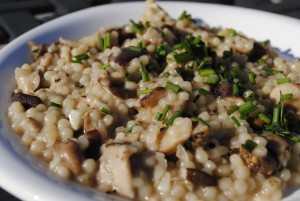
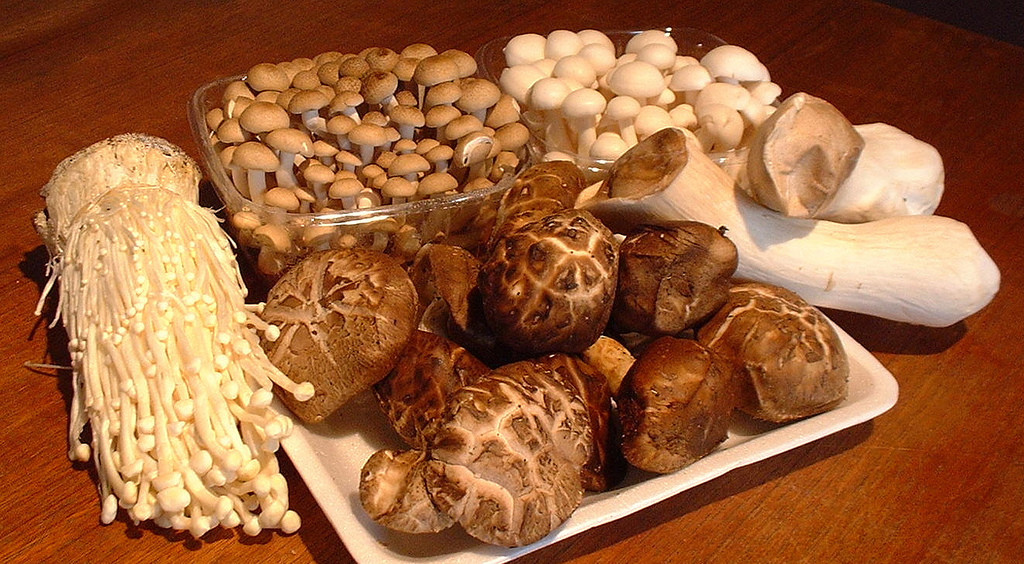
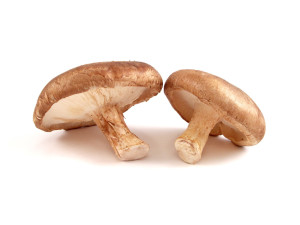
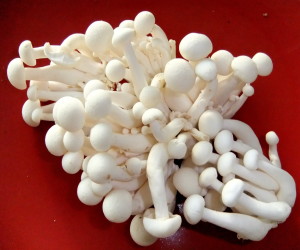
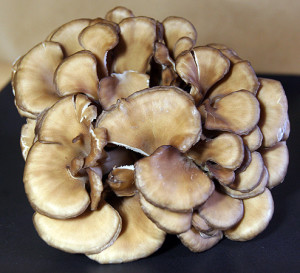
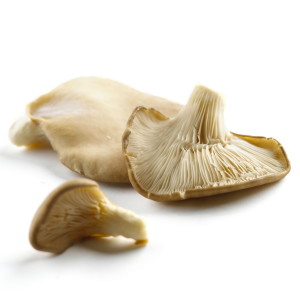 Oyster Mushroom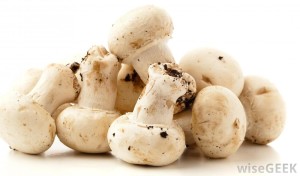
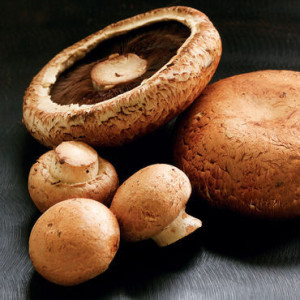
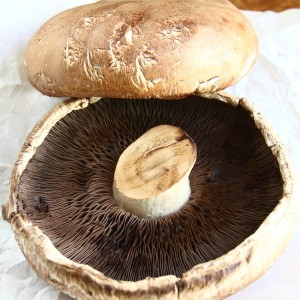 Portobello Mushrooms